Addressing Wide Range Classroom Skills and Abilities
Every student brings a unique mix of talents, learning preferences, and challenges to the classroom, and that variety makes teaching both rewarding and complex. Often, teachers focus heavily on curriculum goals or test preparation, while the subtle differences in learning styles get less attention. Addressing every student’s needs without overwhelming yourself requires strategic planning and a clear framework. So, how can you make sure no learner gets left behind when their abilities span a broad spectrum?
The key lies in using practical tools and methods that reflect real classroom dynamics—things like varied grouping, tailored assignments, and smart tech integration. Understanding these approaches helps you make confident choices, avoid last-minute surprises, and support every student’s growth. With a few tested strategies, you can turn the complexity of diverse skills into a strength for your entire class.
Planning Differentiation
Effective differentiation starts long before the lesson begins. Begin by reviewing your standards and objectives, then map out points where students might struggle or excel. Identify core skills that everyone needs, and note where you can introduce advanced challenges or extra support.
Create a framework of essential content, skills practice, and enrichment options. Use tiered goals: a basic goal for all, a moderate goal for students ready to stretch, and an advanced goal for deeper exploration. This approach ensures each student works at the right level without isolating anyone.
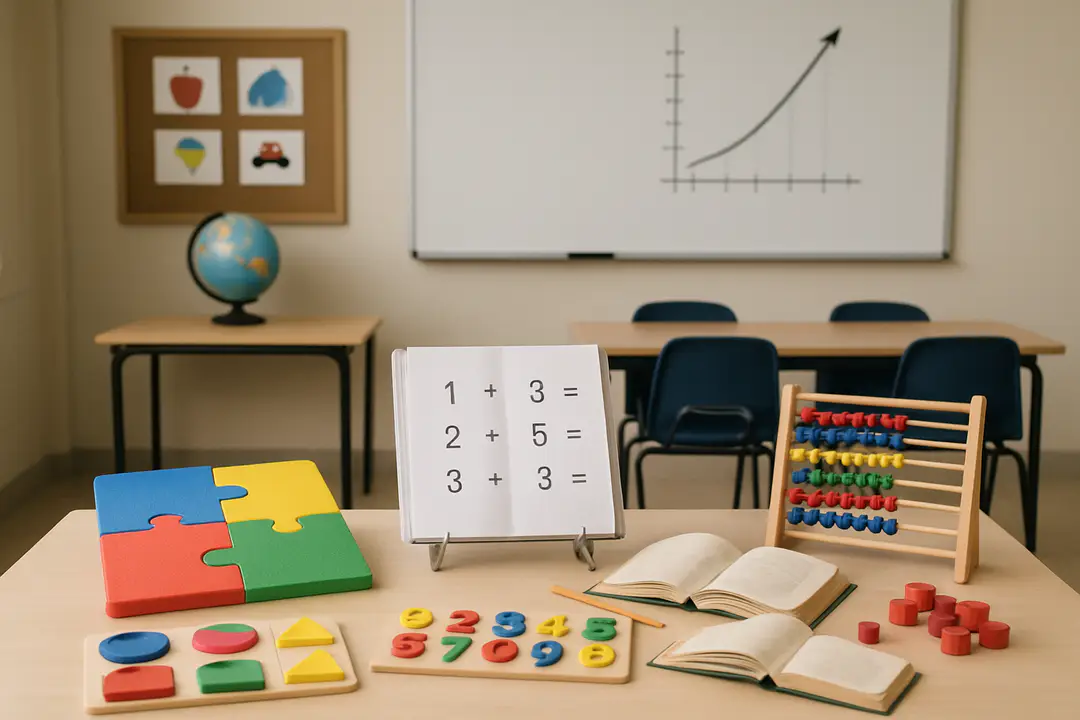
Next, gather resources at multiple levels of difficulty. That might mean leveled texts, task cards with varying complexity, or multimedia options that explain concepts in different ways. Label materials clearly so you and students can select what fits their readiness.
Finally, keep a simple tracking sheet to note who meets which goals. Update it weekly, and be ready to shift students between tiers as they grow. This living document helps you stay responsive and keeps learners motivated when they see their own progress.
Flexible Grouping Strategies
Grouping students flexibly allows you to match tasks with abilities and learning styles. Rather than fixed teams, rotate groups based on skill focus, interests, or project roles. This way, everyone gets the right mix of challenge and support.
Follow these steps for smooth grouping:
- Identify learning targets and group size. Decide whether pairs, trios, or small teams work best for a given activity.
- Assess readiness levels. Use quick quizzes or observations to gauge who needs more help and who can take on leadership roles.
- Form groups intentionally. Mix diverse strengths or cluster similar skill levels, depending on your goal. For practice, grouping by readiness helps tailor instruction. For collaboration, mixing strengths encourages peer teaching.
- Set clear roles. Label one student as the recorder, another as the presenter, and another as the checker to keep everyone engaged.
- Manage timing with a reliable class rotation timer to signal when to switch roles or groups.
By changing groups every week, students practice teamwork, build trust, and gain confidence. You’ll see how collaboration boosts learning when each group feels both capable and challenged.
Tiered Assignments
Tiered assignments let you assign the same concept to all students, but adjust the depth and complexity. For example, when teaching persuasive writing, everyone works on a relevant topic, but tasks vary by support and outcome.
Start by defining the core concept—here, persuasive techniques. Then outline three versions of the task:
1. Basic: Provide sentence starters and graphic organizers to help structure arguments. Students craft a simple paragraph with one main point and supporting details.
2. Intermediate: Ask students to write a full essay with an introduction, at least two supporting paragraphs, and a conclusion. Offer checklists but no sentence frames.
3. Advanced: Challenge learners to research evidence, include counterarguments, and refine their style for a clear tone. Encourage peer editing and reflection on how tone affects persuasion.
Share all versions at once so students choose under guidance. This transparency promotes ownership and self-advocacy. As they progress, let them move between tiers on their own, building a growth mindset and responsibility for learning.
Technology Integration
Smart tech can streamline differentiation and increase engagement. Here’s a quick look at three popular tools:
| Tool | Purpose | Key Feature |
|---|---|---|
| Google Classroom | Assignment management | Central hub for materials and submissions |
| Desmos Classroom | Math engagement | Interactive graphing activities |
| Khan Academy | Practice support | Adaptive skill practice |
Use an online learning platform to assign tasks at different complexity levels and track completion. Students can work independently or in peer groups, and you get real-time insights into who needs help.
For skill practice, interactive tools like Desmos let learners explore concepts visually. They can adjust parameters, test hypotheses, and see instant feedback. This hands-on approach adds depth for advanced learners and offers hints for those who need extra support.
Always balance tech with human interaction. Use digital assignments to free up class time for guided small-group sessions or one-on-one check-ins. That personal touch makes sure no student falls through the cracks.
Ongoing Assessment
Frequent checks for understanding help you catch learning gaps early. Instead of relying only on end-of-unit tests, use quick formative assessments that fit into daily routines.
Strategies include exit tickets, thumbs-up/thumbs-down polls, and short quizzes. You can also use an assessment dashboard to create targeted quizzes that adjust difficulty in real time. Those insights let you group students for follow-up or offer enrichment tasks on the spot.
Analyze results weekly and update your lesson plan. If patterns emerge—say, most students struggle with a concept—plan a mini-lesson or provide extra examples. When only a few struggle, set up peer tutoring or targeted practice.
Regular feedback loops keep students aware of their own progress. Share simple data charts so they see strengths and areas to work on. This transparency fosters ownership and helps them set realistic, personal goals.
Supporting Social-Emotional Needs
Academic skills are only one piece of the puzzle. Students learn best when they feel safe, respected, and valued. Building a supportive classroom culture is essential.
Start each day with a quick check-in. Ask learners to share how they feel or highlight a success. This routine creates a space for empathy and trust.
Teach and model self-regulation strategies such as deep breathing or positive self-talk. Give students regular brain breaks, short moments to stretch or refocus. These pauses help everyone come back to tasks with a clearer mind.
Encourage collaboration over competition. Praise effort, perseverance, and growth. When mistakes happen, frame them as learning opportunities. You’ll notice a shift in mindset as students become more resilient and willing to tackle challenging tasks.
By weaving social-emotional learning into daily routines, you support the whole child. This foundation lets academic strategies work at their best.
Conclusion
Addressing a wide range of skills and abilities doesn’t have to be overwhelming. With intentional planning, flexible grouping, tiered tasks, and the right tech tools, you can create lessons that engage every learner.
Ongoing assessment and a strong classroom culture tie it all together. When you monitor progress closely and support social-emotional growth, students feel safe to stretch and explore new challenges.
By weaving these strategies into your daily routine, you’ll build a classroom where every student thrives. Take these ideas, adapt them to your style, and watch your students grow in confidence and achievement.