
Basket Random Classroom 30x: Ultimate Teacher Guide
Random grouping methods can change your classroom dynamics in surprising ways. But one small detail often overlooked is the container you use to draw names or numbers. How you present this drawing can affect student engagement and fairness in random selection, right?
By understanding why the basket you choose matters, you can avoid bias, keep students excited, and make sure everyone gets an equal chance to participate. This little tweak promotes fairness, keeps routines fresh, and stops any whispers of favoritism. Ready to see how a simple basket upgrade transforms your class?
Why Random Seats
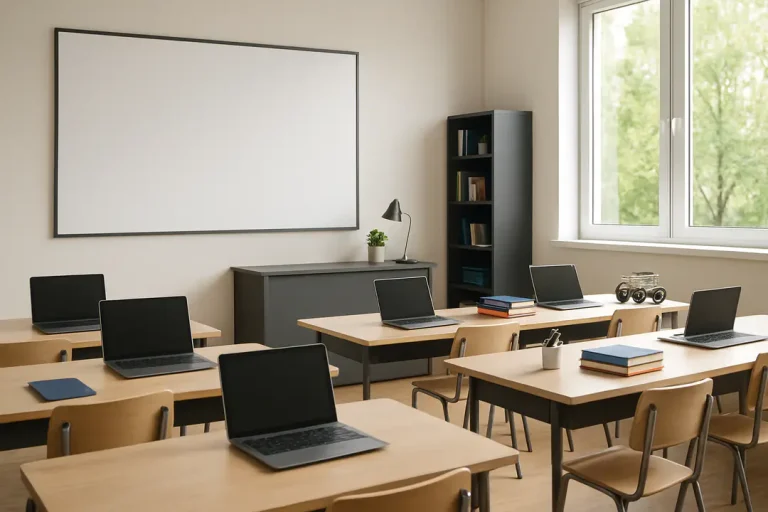
Teachers often turn to random seating to mix the class dynamic. When you change seats randomly, students meet new peers and form new connections. It breaks cliques and encourages collaboration across different groups.
However, a key factor is transparency. If the basket or container looks too worn or if students suspect it’s weighted one way, they may lose trust in the process. Using a clear, simple vessel keeps everyone on board.
This approach also builds student buy-in. When learners see that each draw is fair, they feel safer speaking up and sharing ideas. That trust can lead to better class participation and a stronger sense of community.
Setting Up Your Basket
Choosing the right basket means thinking beyond looks. Size matters: if slips of paper jam up or get stuck, the process feels clumsy. An open weave or simple design lets students reach in easily.
Consider durability. A sturdy basket will handle daily use without breaking or bending. You can even pick one with a removable liner for quick cleaning and easier swapping of name slips.
Personalize it. Let students decorate or add colorful ribbons. That sense of ownership makes the tool part of class culture. When a learner sees a familiar decoration, they feel more connected to the routine.
Keep extra slips and pens nearby. A small container on the basket’s side can hold spare paper, so you never stop mid-lesson hunting for supplies.
Choosing Names Easily
Writing each student’s name on a slip seems straightforward, but little details help it run smoothly. Use colored paper to represent different teams, skill levels, or project groups.
Sort papers by topic or activity. For example, blue slips for math partners and green for reading circles. That way you can draw from a single color when you need a specific group.
Avoid handwriting issues by printing names on pre-cut strips. A quick print-and-cut routine saves time and ensures everyone’s name is legible. You can even laminate strips for reuse.
Many teachers keep a master list in a folder or binder to track draws. That log helps if you need to swap someone out or revisit past groups for assessment.
Digital vs Physical Tools
Some classrooms combine baskets with digital tools like smart classroom screens. You can display a wheel of names online and still pull from a physical basket for dramatic effect.
Here’s a quick comparison:
| Feature | Physical Basket | Digital Tool |
|---|---|---|
| Tactile Appeal | High engagement | Low |
| Setup Time | Minimal | Variable |
| Fairness | Perceived fair draw | Guaranteed random |
| Visual Impact | Simple | Interactive |
Mixing methods lets you keep students guessing and engaged. A digital display signals precision, while a basket draw adds excitement.
Engaging Classroom Games
Use the drawing basket to run quick challenges. Call out a number and pull matching slips for pop quizzes or mini debates. This low-stakes game keeps energy high.
You can also tie in interactive classroom activities like trivia rounds or buzzer-style questions. Draw slips for team captains or question pickers to add variety.
Here’s a simple list of activities:
- Speed Spelling: Pull three names for rapid-fire spelling bees.
- Math Relay: Grab four slips to form relay teams.
- Story Round Robin: Each draw adds a student to the storytelling circle.
Practical and fun, these games reinforce lessons and keep learners on their toes.
Tips for Smooth Execution
Time it right. Draw names at predictable points, like right after warm-up or before group work. Consistency helps students stay engaged.
Explain the process clearly. Show how the basket works and why it’s fair. A quick demonstration prevents confusion or excuses about skipping turns.
Rotate responsibility. Let students take turns drawing slips or managing the basket. That leadership role builds confidence and ownership.
Keep the basket in sight. A dedicated spot on your desk or a visible shelf reminds everyone of the routine and cuts down on transition time.
Finally, solicit feedback. Ask learners if the system feels fair and fun. Small tweaks—like basket color or slip size—can make a big difference.
Conclusion
Basket Random Classroom 30x isn’t just a gimmick. It’s a tool to foster fairness, build community, and boost engagement. By choosing the right basket, preparing name slips thoughtfully, and blending physical draws with digital displays, you create a smooth, transparent process that students trust.
Practical tweaks—like using colored slips, keeping extra supplies handy, or linking draws to quick games—keep the routine fresh. When learners see a fair system in action, they participate more and feel valued.
As you refine your basket routine, remember to invite feedback and rotate roles. A little student ownership goes a long way. Embrace these tips, and watch your classroom transform into a space where chance meets excitement, and every student has an equal shot at the spotlight.