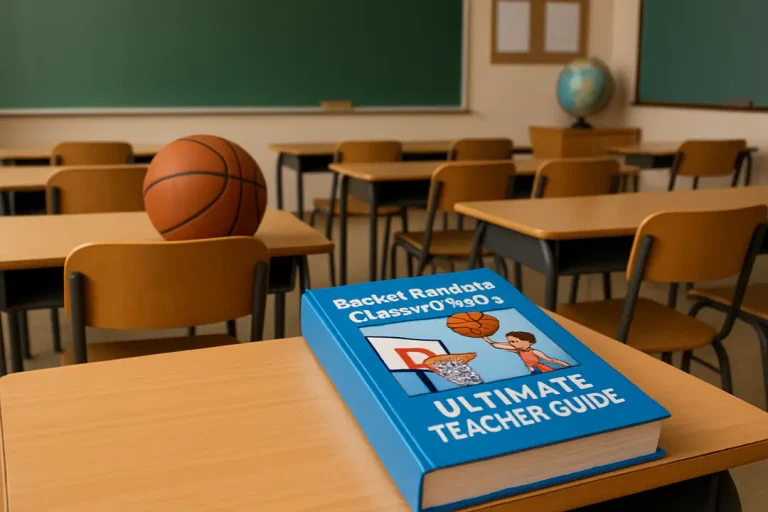

Cool Math Games for Classrooms to Engage Every Student
Math can sometimes feel abstract and distant when students stare at numbers on a board. Playing math games brings these concepts to life, tapping into natural curiosity and the fun of friendly competition. Yet, many teachers focus on flashy interfaces or gimmicks without thinking deeply about how each game aligns with their lesson goals. So, how do educators pick games that truly support diverse learning needs and tie back to curriculum targets?
It starts with matching game mechanics to clear learning objectives and adding quick checkpoints for understanding. When teachers evaluate a game’s core challenge—whether it’s number sense, spatial reasoning, or pattern recognition—they can make informed choices that boost both engagement and performance. Understanding this alignment prevents wasted class time and ensures every student benefits from the play.
Why Math Games Work
Games turn abstract math rules into concrete problems that students want to solve. When learners race to complete a puzzle or outsmart a partner, they use critical thinking without realizing they’re practicing addition, fractions, or geometry. That shift from “I have to” to “I want to” creates a positive learning cycle.
Research shows that active engagement improves retention. Students who solve 10 fraction puzzles in a row remember fraction rules better than those who hear a lecture. The instant feedback in games—correct answer pops green, mistake flashes red—gives learners clear signals on where to improve. This clear feedback loop builds confidence and cuts frustration.
Practical Tip: Pair a timed online challenge with a quick exit ticket. After game play, ask each student to write one strategy they used. This reflection cements skills and highlights areas where further support is needed.
Choosing the Right Game
Selecting a game is more than picking the coolest graphics. First, list your lesson’s top objectives: Is it practicing multiplication, exploring negative numbers, or mastering spatial transformations? A clear goal guides your choice.
Next, consider class structure. Do students work in teams or solo? Do you have tablets, laptops, or only one computer? And most importantly, check for built-in scaffolds. Can students skip levels if they’re stuck or get hints when they hit a tough spot?
Step-by-Step:
- Define the learning outcome in plain language.
- Match a game’s core mechanic to that outcome.
- Test the level progression and hint options.
- Preview for accessibility: adjust text size, contrast, or language.
- Plan a follow-up activity to discuss strategies.
Practical Tip: Keep a running list of student favorites and note which skills each game supports. Over time, you’ll build a personalized library that matches your teaching style.
Top Online Math Games
Online games offer instant access and automatic scoring, ideal for tech-savvy classrooms. Below are five standout picks. Each one hones a specific skill while keeping students hooked.
- Fraction Frenzy: Drag-and-drop slices to build whole units.
- Algebra Adventures: Solve for x through story-driven puzzles.
- Geometry Dash: Navigate shapes to learn angles and reflexes.
- Number Ninja: Slash correct answers before time runs out.
- Cookie Clicker Growth Model: Explore exponential growth with a fun twist using the addictive mechanics in cookie clicker growth model.
Want a broader selection? Check out this hub of diverse browser-based games that cover everything from arithmetic drills to logic challenges.
Practical Tip: Set up stations with different games. Have students rotate every 10 minutes, tackling a new skill each round. This variety keeps energy high.
Hands-on Classroom Games
Not every class needs a screen. Board games and card decks bring social play to math practice. Here are a few tried-and-true favorites:
- Sum Swamp: Navigate a swamp by solving addition and subtraction doors.
- Prime Climb: Colorful board game targeting multiplication and prime numbers.
- Math Fluxx: A twist on the classic card game where rules and goals change through math operations.
- Logic Loops: Physical logic puzzles inspired by Drive Mad challenges.
Pair small groups for 20-minute breakout sessions. Encourage students to explain moves aloud—teaching peers is one of the strongest learning tools.
Practical Tip: Use sticky notes for scorekeeping. After each round, students jot what skill they practiced. Post these on a classroom chart to visualize overall progress.
Lesson Integration Ideas
Bridging games with core lessons ensures seamless flow. Start class with a warm-up game tied to the day’s topic. For example, launch a quick measurement app before exploring perimeter.
Mid-lesson, pause the game for a group discussion: What strategy worked? Where did errors happen? Turning play into talk deepens understanding.
Finally, end with a reflection exit slip. Ask students to rate the game’s difficulty and describe one real-world scenario where they could apply the skill.
Practical Tip: Use paired tasks. After a student wins an online round, their partner explains the solution in writing. This builds both digital and written fluency.
Track Progress and Feedback
Assessment doesn’t have to be a quiz. Use game data and quick check-ins to gauge understanding. Many online platforms let you download performance reports, showing which levels each student mastered.
Combine this data with self-reflection. Ask students to set personal goals: “Next time, I’ll aim to reduce mistakes by half.” Revisiting these goals in later sessions shows growth and builds ownership.
Practical Tip: Create a simple scoreboard for classroom game tournaments. Celebrate effort as much as accuracy. Acknowledging persistence encourages risk-taking and growth mindset.
Conclusion
Cool math games for classrooms do more than entertain—they transform how students see numbers. By choosing games that align with clear objectives, integrating quick reflections, and balancing online with hands-on activities, teachers can boost engagement and deepen learning. Games become more than a break from routine; they become powerful tools to reinforce skills, build confidence, and encourage collaboration.
As you explore these strategies, remember to keep an eye on data and student feedback. Small tweaks—like adding a hint feature or swapping a board game for a new challenge—can make a big difference. Start with one game this week, map it to your learning goals, and watch how play evolves into progress. With the right picks and a thoughtful approach, every math lesson can feel like an adventure.