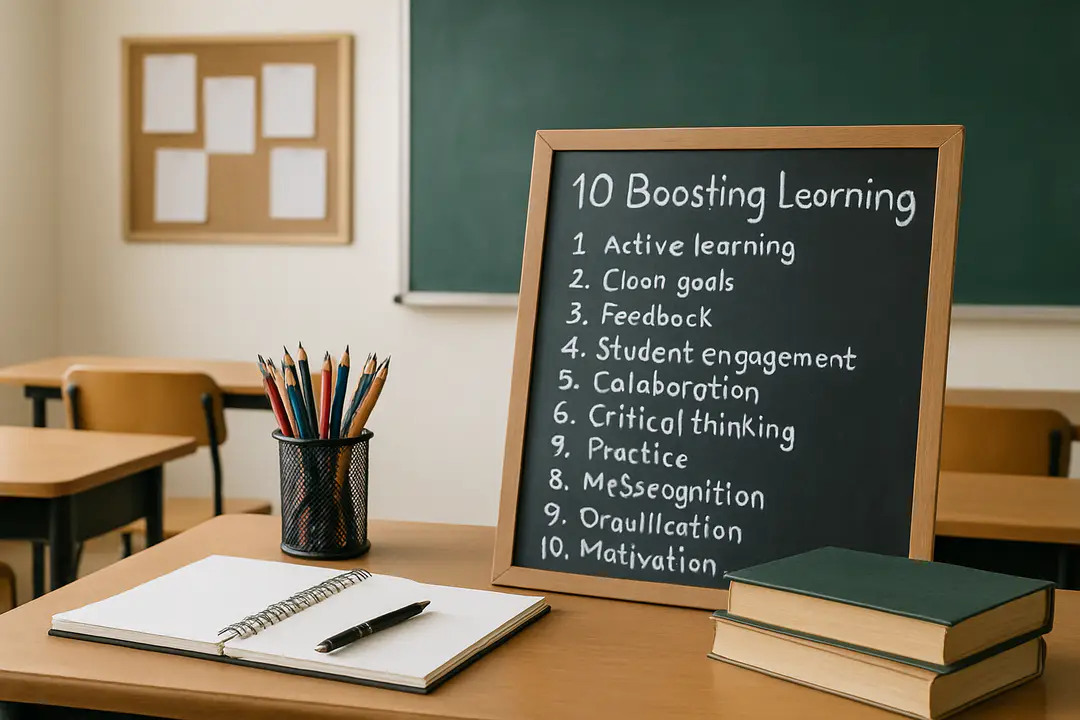
Mastering Classroom X 10: 10 Ways to Boost Learning
Teaching is more than delivering lessons; it’s about guiding each student toward growth. Yet one specific but often overlooked component is the real-time feedback loop between teacher and learner. Without timely insights, students can veer off-course and miss key concepts. So how can educators deliver instant, personalized feedback to every student without burning out?
By leveraging simple strategies and tech tools, teachers can set up streamlined feedback channels. This approach helps spot misunderstandings early and keeps learners engaged. Understanding these feedback loops lets educators make swift course corrections, boosting student confidence. Ultimately, it builds a classroom where every voice is heard and progress is visible.
Feedback in Action
Quick checks let you catch confusion early. At the start of class, ask a simple poll or an exit ticket question. This takes just two minutes and highlights key trouble spots fast.
Digital tools can speed feedback. If you use assignment comment features, you can leave inline notes on student work. For example, highlighting a correct step builds confidence, while pointing out a gap shows where to review.
Devote brief one-on-one moments. A two-minute chat after class helps learners feel heard. It also gives insight into personal challenges, so you can tweak your guidance.
Peer feedback adds depth. Pair learners to review each other’s work and share three strengths and one idea for improvement. This builds community and reduces your feedback load.
Reflection journals tie it all together. Ask students to write one thing they learned and one question they still have. Collect these weekly to spot common issues before they grow.
Consistency is key to making feedback stick. Set a routine that students can expect. When they know immediate insights follow each task, they stay alert and engaged.
Track your feedback trends. Keep a simple log of areas you comment on most. If you notice repeated questions on the same topic, adjust your next lesson to address that concept more deeply.
Tip: Use color coding to mark different types of feedback. Green ink for praise, yellow for a prompt to think deeper, and red for a major concern. This visual guide speeds student reading and response.
By combining these tactics, you build a robust feedback loop. Students see their growth, you stay informed, and the classroom pace adjusts to real needs.
Adaptive Learning Paths
No two students learn the same way. Adaptive paths let you guide each learner through custom steps. You start by mapping key skills and then assign tasks that fit each student’s level.
Begin with a baseline check. A short quiz or activity reveals strengths and gaps. Sort students into three groups: ready to advance, needs practice, and review fundamentals.
Use flexible modules or playlists. Give students choice boards where they pick activities aligned to their group. Those ready to advance tackle extension projects, while others work on focused drills or tutorials.
Set clear checkpoints. At each module end, require a quick check-in or quiz. If a student misses a target, route them back to extra practice with guided examples.
Encourage goal setting. Ask learners to set weekly targets, like mastering a concept or completing an extension task. Review these goals in class to celebrate progress and adjust paths as needed.
Rotate groups weekly to mix peer support. This ensures students learn from each other’s strengths, builds a sense of community, and prevents labeling anyone as slow or fast forever.
Tip: Color-code your modules by difficulty. Students know at a glance where to start and which path to take. It simplifies routing and reduces questions about where to focus.
Track progress using simple online dashboards so you spot when someone stalls before you reach them. Timely data helps you intervene early and keep momentum high.
Collaboration Tools
Teamwork skills are vital, and collaboration tools make group work smoother. Start by choosing a platform where students can share drafts, comment on each other’s ideas, and track updates in real time.
Google Classroom X is a good example. It lets you create shared boards, assign group tasks, and monitor contributions. When each team can view edits and comments instantly, they stay engaged and accountable.
Tip: Set clear roles for each group member. Label one student as editor, another as researcher, and so on. This structure keeps tasks clear and lets everyone participate.
Schedule regular check-in points. Use brief online meetings or chat threads so groups report progress every few days. This avoids last-minute rushes and uneven workloads.
Embed peer review activities directly in the tool. Ask students to give constructive comments on a draft before the teacher offers final feedback. It deepens understanding and builds communication skills.
Combine text chat, audio notes, and simple video clips. Some students express ideas better by speaking, so let them record a 30-second explanation of their thinking. This captures nuance and saves you time typing long replies.
At the end of each project, have groups post a reflection on what worked and what could improve. This builds a loop of continuous improvement and teaches students to learn from experience.
Link shared resources in a common folder, so students never hunt for materials. A clear file structure prevents confusion and lost work.
Data-Driven Teaching
Numbers tell a story. Data-driven teaching means using metrics to shape your instruction. It starts with collecting simple figures like quiz scores, attendance, and participation rates.
Set up a basic spreadsheet or use your learning platform’s dashboard. Track individual and class averages over time. Look for trends such as a dip in a topic after a tough lesson or low engagement in certain activities.
Tip: Use visual charts to share progress with students. A bar chart showing class mastery on a concept helps learners see where they stand and motivates them to improve.
Identify high performers and challenge them with enrichment tasks. Spot students who struggle and offer targeted support. Data makes it easier to tailor interventions to actual needs.
Avoid data overload. Choose three key metrics to watch each week—such as average quiz score, number of completed assignments, and in-class participation. Focus your next lesson on whichever metric dips below your goal.
Host a weekly data huddle with students. Show them the class progress, celebrate wins, and discuss strategies to tackle weak areas. This transparency builds trust and shared ownership of learning.
Use exit ticket data to plan the next lesson. If many students miss the same question, start the next day with a quick review. This keeps small gaps from turning into big roadblocks.
Boosting Engagement
Engaged students learn faster and remember more. Start by varying activities: mix lectures with hands-on projects, group work, and quick games. This keeps the pace lively and attention high.
Introduce gamified elements. Award points for participation, teamwork, or creative ideas. A simple leaderboard posted in class drives friendly competition and encourages effort.
Tip: Use a safe unblocked games collection during free time for brain breaks. Short, curriculum-linked puzzles or challenges reset focus and make learning fun. This prevents kids from wandering to random websites and keeps them on task.
Bring real-world problems into lessons. Ask students to solve a local issue or design a mini business plan. When content feels meaningful, motivation soars.
Rotate teaching roles. Let students lead a mini-lesson or host a discussion. When they teach peers, they deepen their own understanding and feel more invested.
Use quick hands-on labs or maker activities. Even simple materials like paper and markers build engagement through creativity. Students remember concepts they explore physically.
Recognize progress publicly. A weekly shout-out board or a quick announcement at the end of class signals that effort matters and fosters a positive learning climate.
Conclusion
Mastering Classroom X 10 means weaving feedback, adaptive paths, collaboration, data, and engagement into a cohesive approach. Each element supports the others. When you give timely feedback, learners stay on track for their personalized paths.
Collaboration tools and data insights then guide adjustments, and gamified moments keep students curious. By focusing on these five pillars, you transform a typical lesson into an impactful experience where students feel seen and motivated.
Start small: pick one tactic this week, like a daily exit ticket or rotating peer roles. Track its impact and celebrate wins with your class. Then layer in the next strategy. Over time, these steps compound into a classroom that truly feels ten times more dynamic.
The power of Classroom X 10 lies in its balance. It blends structure with flexibility, data with human connection, and challenge with support. Take these ideas into your next lesson, and watch both your confidence and your students’ progress soar.