Google Classroom X: Essential Tips for Modern Educators
In today’s busy teaching world, using the right platform can make all the difference. Yet many educators focus only on basic tools and miss how customization can boost engagement. How can a few tweaks to the interface save time and keep students focused?
Custom tweaks often hide behind menus, but learning to adjust colors, layouts, and notifications helps you avoid clutter and confusion. Mastering these settings leads to smoother classes and fewer surprises, so every lesson runs on your terms.
Customizing Your Interface
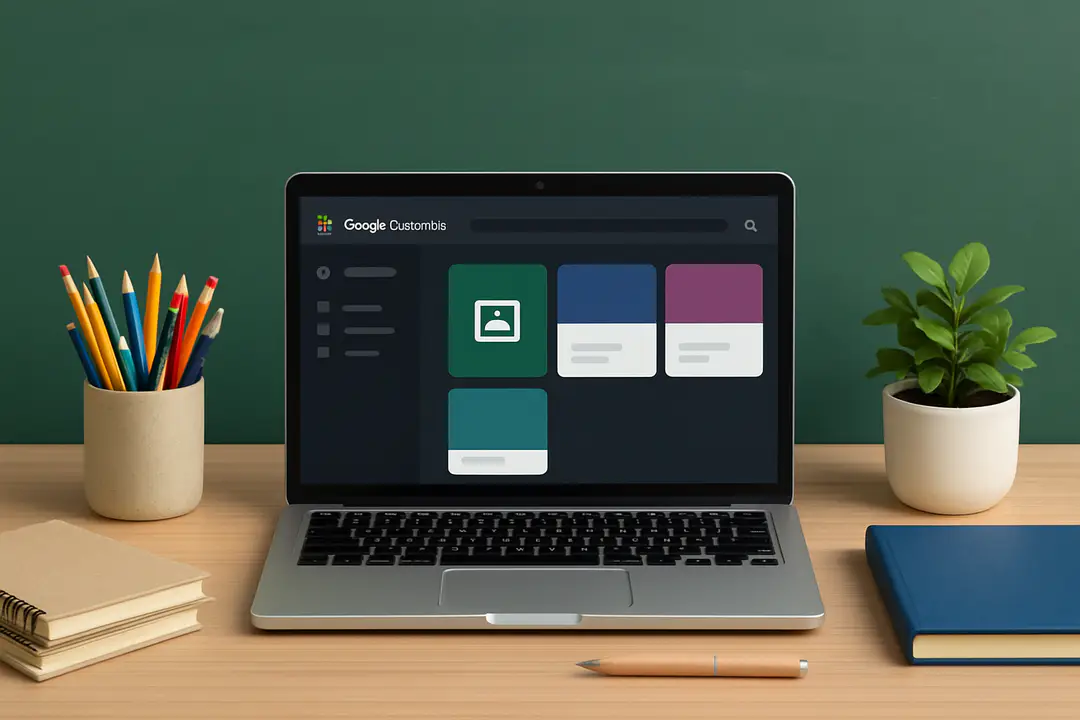
Every teacher wants a dashboard that matches their style. Google Classroom X lets you change themes, adjust card layouts, and even update your welcome message. If you access Classroom X via its main .com domain, you’ll find extra settings under “Theme picker” that aren’t in the classic version. Select custom colors for your class header or upload a class photo that shows your class spirit.
Beyond looks, you can move key items around. Drag the navigation panel to the side you prefer. Pin frequently used classes at the top. This simple step cuts down on clicks when you’re sharing resources or launching a lesson. You can rename classes with emojis or short codes to make scanning faster.
When your screen feels personal, you work faster—and students feel welcome right away. Small changes, like showing only active assignments on the homepage, prevent mix-ups. Try a new layout for a week and note time saved on routine tasks. Over time, a clear space can lead to fewer student questions and smoother transitions between activities.
Streamlining Assignments
Setting up assignments doesn’t have to eat your day. Google Classroom X offers templates, rubrics, and auto-release schedules. With these features, you spend less time drafting and more time teaching. Consider these quick tips:
- Create an assignment template once, then copy it for each class.
- Use built-in rubrics to grade consistently and speed up feedback.
- Schedule posts to go live at the start of class to avoid early or late submissions.
- Attach resources directly from Google Drive, so students always see the latest version.
- Save drafts for recurring tasks, like weekly quizzes or reflection journals.
Implementing just a couple of these steps can cut prep time by up to 30 percent. When assignments roll out automatically, you have more bandwidth for discussion and support. Students get clear instructions on time, and you reduce last-minute requests for extensions.
Collaboration Enhancements
Group work is easier when tools are built to keep everyone in sync. Google Classroom X adds options beyond simple document sharing. You can set up group assignments where each student has a private copy turned in as a single project. Teachers review the group’s progress in one place, adding notes for each contributor.
Chat streams within each assignment let students ask questions without crowding your inbox. Threaded comments keep conversations organized. You can also enable peer review, so students give feedback anonymously through a guided form. This builds critical thinking and holds everyone accountable.
For live editing, the side panel shows who’s active and highlights recent changes. You spot errors early and guide students step by step. In your next group task, try assigning roles—writer, editor, researcher—and watch collaboration become a test of teamwork as much as knowledge.
Offline Mode Usage
Many schools face spotty Wi-Fi or strict network settings. Offline mode in Classroom X ensures you never lose student work. First, install any updates listed under the official offline tools page so your files sync smoothly. Next, mark key materials for offline access in your settings.
- Open Classroom X when you have a reliable connection.
- Go to Settings and toggle “Offline access” on.
- Select classes and assignments to download.
- Verify that resources appear in the “Offline” folder.
- Work on documents or grade submissions without internet.
Once back online, changes sync automatically. No more lost comments or missing grades. Use this mode during field trips or power outages to keep lessons moving forward.
App Integrations
Connecting other tools to Google Classroom X can expand its power. You might add calendar events for assignment deadlines, or embed quizzes from survey apps. One handy option is linking to Drive-powered assignments so files update in real time. Having files auto-sync means no broken links and clear version history.
Some popular add-ons include digital whiteboards, math equation editors, and citation builders. Pick tools that match your subject—language teachers may like a text-to-speech add-on, while art educators benefit from a drawing tool. When you choose one app at a time, you avoid overwhelming students with too many menus.
Keep an eye on usage data in the integrations panel. It shows which apps students use most and highlights any login issues. Removing unused extensions keeps the sidebar clean and cuts down loading time. A lean, efficient setup helps both you and your class stay on task.
Conclusion
Google Classroom X offers more than the standard interface—its hidden features let you create a space tailored to your teaching style. Customizing themes, streamlining assignments, boosting collaboration, and even working offline add up to real time savings. Integrating the right apps makes tasks smoother, and understanding each tool helps you avoid surprises on busy days.
Start small by changing one setting or adding a single add-on. Track the impact on your workflow and student engagement. Over weeks, these tweaks build into a seamless experience where teaching and learning become more focused and enjoyable. Embrace Google Classroom X’s extras, and you’ll spend less time wrestling with tech and more time connecting with your students.