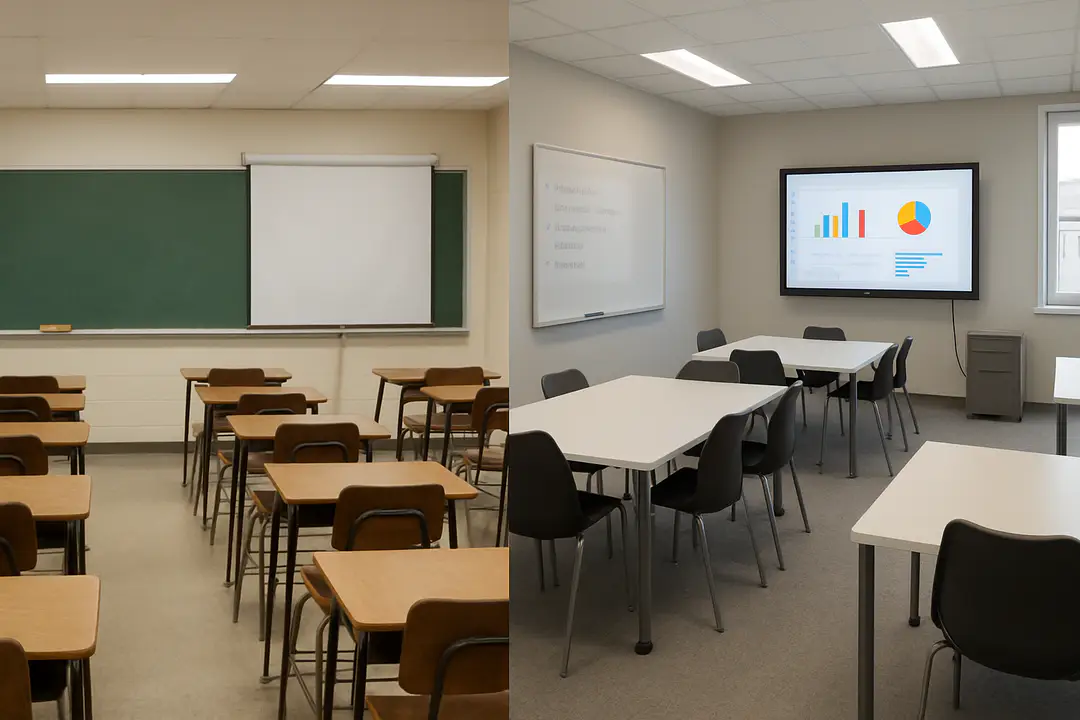
Traditional Classrooms vs Classroom 30x: Key Challenges
Learning environments shape how our minds grow and our skills form. Yet, we often focus on lesson plans, budgets, and tests while missing what really drives daily energy: student engagement in real time. Without a clear view of how each student connects to material, many teachers feel unsure about what’s working. What if we could spot those small engagement gaps before they become big problems?
Classroom 30x zooms in on those moments and offers real-time feedback to teachers. By tracking interaction points and adapting to each learner’s pace, it keeps students active. Understanding these metrics lets teachers make smart moves each day. That insight helps you fine-tune lessons, boost results, and cut down on unwelcome surprises.
Engagement Challenges
In a busy classroom, it is easy to lose sight of how each student really feels about the lesson. Traditional setups often rely on hand-raising or quick polls. Those tools miss quiet signals like body language or shy students who hold back. The result is hidden gaps in real engagement.
Teachers may think that covering every topic in the syllabus means success. Yet coverage does not guarantee connection. When students pace out of sync or drift during lectures, test scores can suffer. And by the time the gap shows up in a quiz, it is harder to catch up.
Practical tip: Use quick check-ins at set points in class. Ask a short question that every student must answer in one or two words. These micro-checks help spot who needs extra support on the spot. Over time, you build a clear view of which topics lose interest and who to coach.
Data point: A recent survey found that 68 percent of students say they zone out for at least 10 minutes every class. That adds up fast over a semester. Missing connections early undermines long-term retention.
Shifting to methods that capture real-time reactions can change the story. For example, when teachers mix in bite-size digital polls or live quizzes, they see an instant shift. Students feel heard. Teachers adjust on the fly. That ongoing loop lifts the entire class.
Uniform Teaching Methods
Traditional classrooms often follow a one-size-fits-all plan. Teachers prepare a lesson that covers all students at the same pace. Yet students come with different backgrounds, skills, and interests. This gap makes it hard to reach every learner. Some students drift because they need more challenge. Others feel lost and fall behind without support.
Consider a history lesson on world wars. Some kids connect deeply and ask questions on politics. Others barely follow the timeline. When it’s time for homework, the same worksheet feels either too simple or too hard. This divides the class and undermines the group dynamic.
Practical tip: Create tiered tasks within each lesson. Offer core tasks for everyone plus optional challenges for fast learners. This approach keeps every student busy at their level. It may add planning time, but it pays off in stronger focus and fewer behavior issues.
Data point: In a study of mixed-ability classrooms, 55 percent of students reported feeling bored at least once a week when work was too easy. Another 47 percent said they felt frustrated when work was too hard. These feelings directly affect attendance and participation.
Classroom 30x solves this by layering content. It uses adaptive modules that adjust in real time based on responses. The system can offer extra practice, hints, or fresh content immediately. That means teachers spend more time guiding and less time remediating.
Tech and Tools Gap
Bringing technology into a kid’s world is not just about showing slides. It is about using tools that spark curiosity and make lessons sticky. Traditional classrooms often rely on a fixed set of projectors or whiteboards. That setup feels dated to students who use interactive apps daily.
Here are five tools that bridge the gap:
- Interactive quizzes – let students respond on phones or tablets.
- Digital whiteboards – share screens and draw in real time.
- Micro-modules – bite-size lessons drip-fed through an app.
- Virtual field trips – tour museums and labs online.
- Group workspaces – let students collaborate in shared documents.
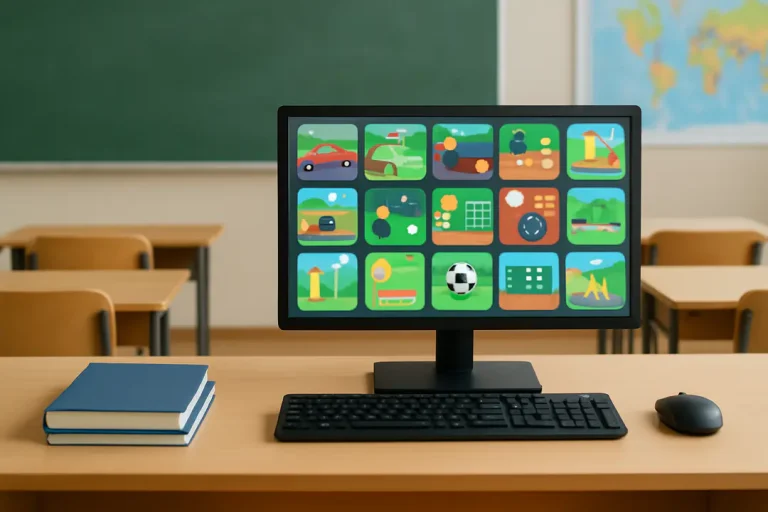
Many of these tools work together in a modern digital classroom platform. By using systems like this digital classroom interface, teachers can build and recycle lessons with ease. They can monitor contributions, comments, and quiz results in one place.
Practical tip: Start with one tool and pilot it for a week. Invite students to share feedback on ease of use. Adjust your plan before rolling it out to all classes. This low-stakes test helps reduce tech stress.
Slow Feedback Loops
If it takes days to grade an assignment and return it, many issues go unnoticed. Traditional grading often clogs the feedback pipeline. Students wait for results while misconceptions deepen. By the time a test comes back, they have already moved on to new topics.
Early detection of misunderstandings is crucial. When a concept error lives in a student’s mind for too long, correcting it takes more time. Students may feel defeated or stuck. That sense of failure can lower confidence and dampen motivation.
Practical tip: Use short online quizzes with instant results. Even a five-question quiz can spot errors in logic or gaps in fact recall. When students see results immediately, they can correct mistakes on the spot and reinforce correct concepts.
Data point: Research shows that immediate feedback can improve learning retention by up to 30 percent compared to delayed grading. Small wins fuel confidence and cut down on review time for teachers.
Classroom 30x keeps feedback fast by automating quizzes and polls. Teachers can review class-wide trends in seconds. That makes lesson planning more targeted and frees up time for one-on-one coaching.
Rigid Scheduling
Most schools run on fixed timetables and physical rooms. This rigidity makes it hard to fit in extra review sessions or host guest experts. Students must rush from one class to the next, sometimes with no gap to process what they have learned.
When a topic generates lively discussion, the bell still rings. That abrupt cut-off can feel jarring and leave conversations incomplete. Important insights get left hanging or rushed. Students might lose the chance to dig into deeper questions.
Practical tip: Build short buffer periods into your week. Reserve a 20-minute slot one day each week for flexible learning. Use it for small-group work, teacher office hours, or reflection activities. That small window can yield big gains in comprehension and rapport.
Classroom 30x offers virtual rooms that remain open beyond the bell, mirroring modern digital hubs like streamlined unblocked games environments. Students can drop in for extra help or explore advanced content on their own schedule. This model shifts control back to learners and teachers instead of the clock.
Data point: Schools that adopted flexible scheduling saw up to a 15 percent increase in student satisfaction and up to 20 percent fewer discipline referrals. Small shifts in structure can improve the overall environment.
Tracking Progress Better
Knowing where each student stands is key to guiding their growth. In a traditional class, progress tracking often relies on tests and periodic projects. This approach gives a snapshot view but misses the gaps that form between tests.
Classroom 30x fills that blind spot with ongoing data. It tracks interactions, quiz results, and participation metrics all in one dashboard. Teachers can spot trends at the class level or drill down to each student’s profile.
Here is a quick comparison:
| Feature | Traditional | Classroom 30x |
|---|---|---|
| Progress updates | Monthly tests | Real-time dashboard |
| Intervention speed | Days to weeks | Minutes |
| Data detail | Final scores only | Step-by-step metrics |
| Parent alerts | Via report card | Instant notifications |
Practical tip: Review your dashboard data daily. Set aside ten minutes each morning to spot outliers. Reach out to students who show early signs of struggle. That habit keeps small issues from turning into big roadblocks.
Cost and Resources
Budget limits often keep schools from updating aging tech or hiring more staff. In many districts, an older projector or a handful of dated laptops is all they can afford. Maintenance costs only add up over time.
Classroom 30x can lower some of those expenses by moving tools into the cloud. Schools pay for seats rather than buckets of hardware. This subscription model keeps everyone on the latest version without manual updates.
Practical tip: Run a cost simulation comparing hardware refresh cycles versus subscription fees. Factor in IT support time and outage risks. Many schools find that cloud services cost less per year and offer higher uptime.
Leveraging interactive safe unblocked games for practice can also cut down on textbook spending. Students get engaging content without extra textbook orders. It is a win for both budgets and motivation.
With careful planning, you can allocate saved funds toward professional development or special programs. That reinvestment helps teachers grow and students thrive over the long term.
Conclusion
The gap between traditional classrooms and Classroom 30x highlights key issues in engagement, pacing, feedback, and resources. Traditional methods still serve many needs, but they leave blind spots that can slow learner growth.
By embracing real-time data, flexible tools, and adaptive modules, educators can offer personalized paths for every student. That shift requires planning but pays dividends in higher motivation and better outcomes. Small pilots—like a weekly buffer slot or a digital quiz—help reveal the benefits early on.
Ultimately, the choice between sticking with the old routine or exploring Classroom 30x is about more than technology. It is about creating a learning culture that adjusts, responds, and supports students at every step. When teachers and students work in sync, the classroom becomes a space of continuous improvement rather than a cycle of catch-up.
Take action this week: pick one challenge area and test a simple change. See what you learn. These small steps can grow into a classroom experience that is more engaging, more flexible, and more ready for the needs of today’s learners.