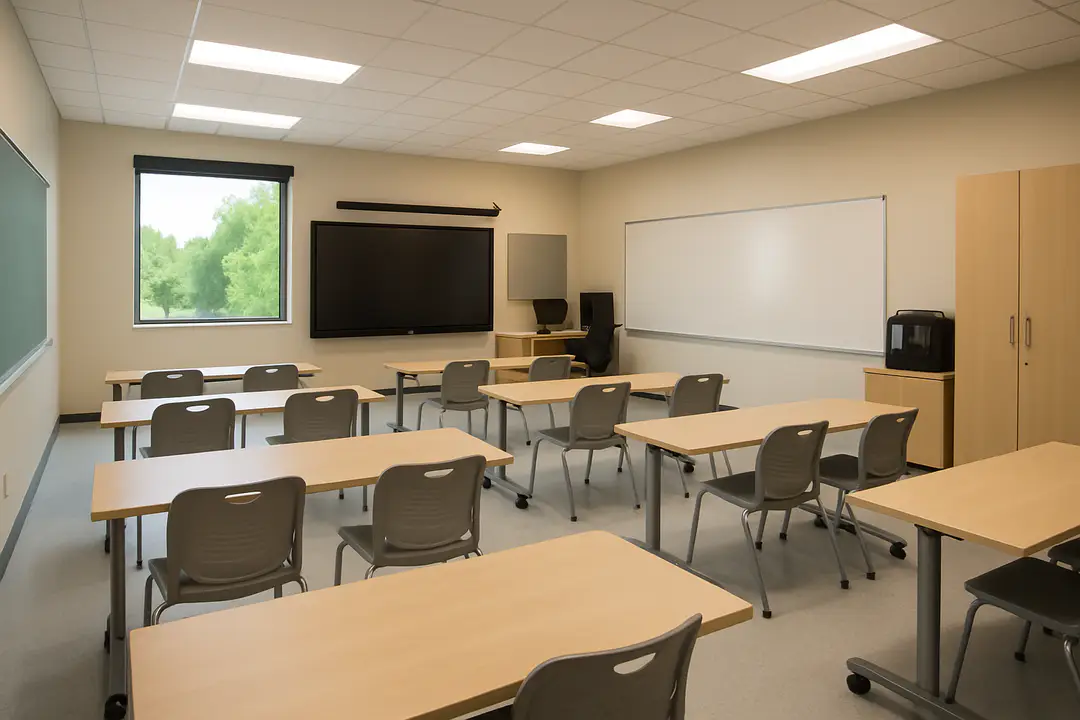
Exploring Classroom 302: A Future-Ready Learning Space
We all know the classroom sets the tone for a day of learning. Yet we rarely pause to think about the hidden power of a room’s layout and design. In Classroom 302, even small details like desk shapes or power outlet locations shape the flow of creativity and focus. What if that unassuming corner near the window holds the key to better group work?
Classroom 302 proves that intentional design can ease movement, spark collaboration, and keep students engaged. By understanding how each element connects, you can make smarter choices that save time and avoid frustration. Embracing this insight helps you plan lessons with fewer hiccups and more aha moments. The end result is a space where both teaching and learning feel natural.
Room Layout and Flow
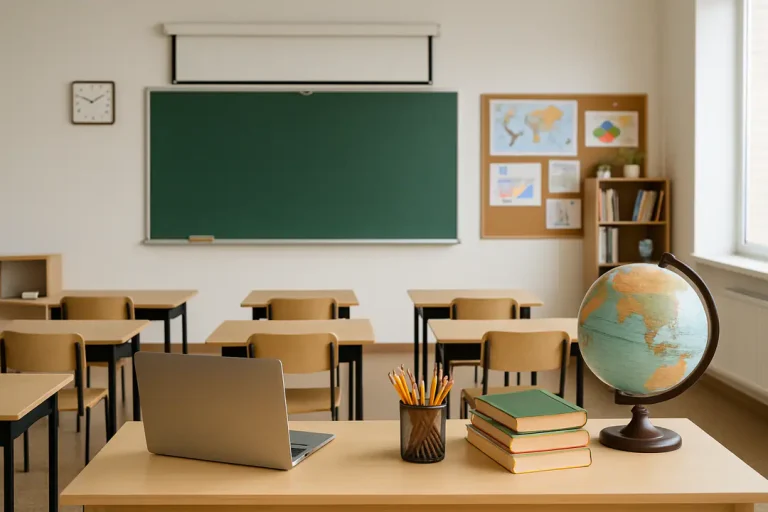
In Classroom 302, desks aren’t just rows and columns. They form clusters, circles, and angled pods. This lets students turn easily toward peers or the teacher. You avoid the usual traffic jams when kids shuffle between tasks.
Start by mapping key zones: presentation area, work stations, and quiet corners. Draw pathways on paper to test how students walk in. Notice spots where chairs might bump into one another during a quick group activity.
Think of the teacher’s desk too. Placing it off to the side makes you less of a focal point and more of a guide. During peer learning, you can float around and help when needed.
Tip: Use color tape on the floor to mark boundaries. It costs little and lets you rearrange on the fly. After a week, ask students which layout felt best and why. Their feedback can reveal new ways to refine the flow.
Tech Integration Tips
Classroom 302 embraces digital tools without overwhelming the space. A clear digital hub keeps cords tidy and devices charged. You won’t trip over power strips when handing out tablets.
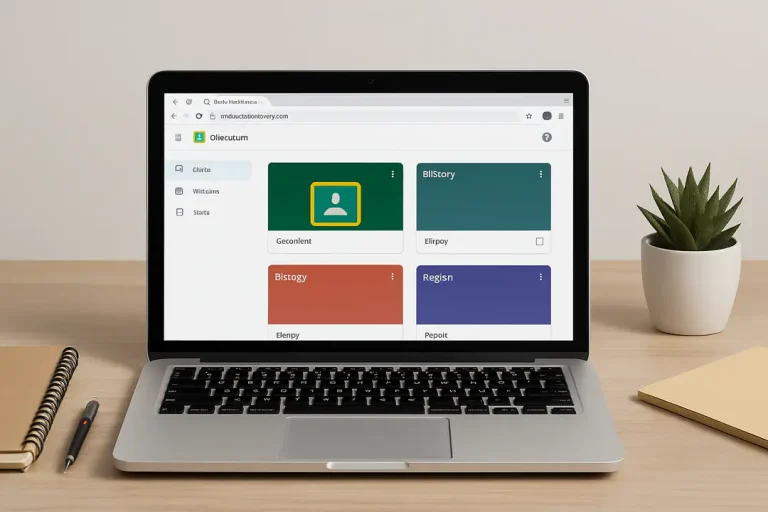
Adding Google Classroom seems obvious, but linking it to your projector system makes assignments pop on screen. Students jump into tasks faster when they see their work appear live. Integrating a reliable platform like Google Classroom keeps files organized and deadlines clear.
You can also introduce tools in small bites. Try a quick five-minute demo on the smart board or whiteboard app. Show one feature, then let students test it immediately in pairs. This builds confidence and prevents overload.
- Charging station with labeled bins
- Wireless presentation clicker
- Tablet stand near the front
- Bluetooth speaker for audio clips
Keep a simple checklist for tech checks each morning. It only takes a minute to confirm Wi-Fi, projector, and audio. Consistency here equals fewer tech delays and more time learning.
Flexible Seating Benefits
Gone are the days of fixed wooden chairs in Classroom 302. Now you’ll see beanbags, wobble stools, and standing desks. This mix lets students pick what fits their focus needs.
Flexible seating isn’t just fun. It improves posture and gives movement breaks. Some kids work best while rocking gently, while others need a firm chair to stay on task.
Rotate seating options to keep things fresh. One week, let groups try floor cushions for brainstorming. The next, use high stools around a tall table for presentations. Change sparks curiosity and keeps energy levels steady.
Practical tip: Label each seat type and share a simple guide on when to choose it. For instance, stools for quick pair work, cushions for silent reading. This helps students make better picks and reduces requests to swap seats mid-class.
Lighting and Acoustics
Bright overhead lights can make a room feel sterile. In Classroom 302, layered lighting adds warmth and focus zones. You’ll find desk lamps, window light, and soft wall fixtures working together.
Check for glare on screens and whiteboards before class starts. A quick curtain adjustment can cut harsh reflections. Natural light near the windows helps keep students alert and lifts moods.
Acoustics matter just as much as light. Hard floors bounce noise, making group work messy. Here, area rugs and wall panels absorb sound. You won’t hear a dozen conversations clashing into one loud hum.
Tip: Record a one-minute audio sample of active class time. Listen back to spot echo spots or noisy corners. Then add a rug or panel where it matters most.
Student Engagement Tools
Keeping students curious in Classroom 302 means mixing digital and hands-on tools. Interactive games, quick polls, and quizzes all play a role. They break up long lectures and give instant feedback.
In one lesson, you might launch a spelling challenge online. Students race to type the right answer on tablets. Later, they switch to paper for a group storyboard project. These shifts maintain energy and focus.
For games that run smoothly without filters or blocks, consider resources like interactive games that spark math or vocabulary drills. They load fast and don’t require extra sign-ups.
- Start with a quick quiz to assess prior knowledge.
- Use a two-minute game for concept practice.
- Assign a teamwork challenge related to the topic.
Always wrap up with a one-minute reflection. Ask students what tool helped them learn best today. Their answers guide your next tech choice and keep engagement high.
Conclusion
Classroom 302 shows how thoughtful space design, tech, and engagement strategies combine to create a powerful learning environment. From flexible seating to layered lighting, each choice supports active, student-centered lessons. You can apply these ideas in any room—few budget changes, but big impact.
Next time you plan a lesson, think beyond content. Consider how desks, lights, and tools shape every moment. Small tweaks lead to smoother routines, fewer disruptions, and more focused learning. Take these insights, try one change this week, and watch the difference unfold.