Inside a Classroom 300 Years Ago: Life and Lessons
Imagine stepping back in time to see how learning happened 300 years ago. In those days, schools were at the heart of small villages and towns. Yet one part of that world is often forgotten: the daily routine from dawn to dusk. How did students balance lessons, chores, and breaks in such a strict schedule?
Unpacking that daily pattern gives us a clearer view of historical education. By exploring the timetable and its rules, we can draw lessons for modern teaching. Understanding these old routines can help educators avoid surprises when they try to recreate or study past methods.
daily school routines
The school day began with sunrise prayers and a simple greeting. Students walked miles to reach a humble wooden shack turned classroom. The teacher rang a small iron bell to call them in and set the tone. These first moments led into reading from a shared hymn book and a recitation of moral lessons.
Lessons were broken into thirty-minute blocks. Each session focused on one skill: memorizing Latin, copying letters by hand, or practicing basic sums. There was a short outdoor break when the sun was high. Children could rest near a large oak or help fetch water from a nearby well. That break helped them stay alert for the next session.
Midday often brought a simple meal of bread and cheese eaten outdoors. Then students returned for more drills until mid-afternoon prayers marked the end. Some records show class sizes of twenty to thirty learners. In many areas, older students led younger ones in peer lessons during free blocks. Modern reenactors can use a bell and a strict clock to recreate this flow.
Tip: Use a visible timer and a simple chime to signal each period. This ritual brings structure and focus. It also shows how basic signals kept large groups organized without advanced tech.
teachers and methods
Three centuries ago, teachers had little formal training. Many started as apprentices or parish assistants. They learned on the job and used rote drills to keep order. Discipline relied on a cane or verbal reprimands rather than praise.
Instruction methods were direct and strict. Students repeated passages aloud until they could recite them perfectly. Writing practice meant copying texts over and over. This repetition built muscle memory in penmanship and spelling. However, creativity and discussion were rare.
In some schools, music or needlework broke up the day. Girls often learned embroidery alongside reading. Boys might practice navigation or farming math. These additional skills prepared children for work in a rural economy.
Practical tip: To simulate this style today, assign short focus tasks with clear rules. Use a simple reward chart instead of strict punishment. This balances structure with positive feedback.
classroom layout and tools
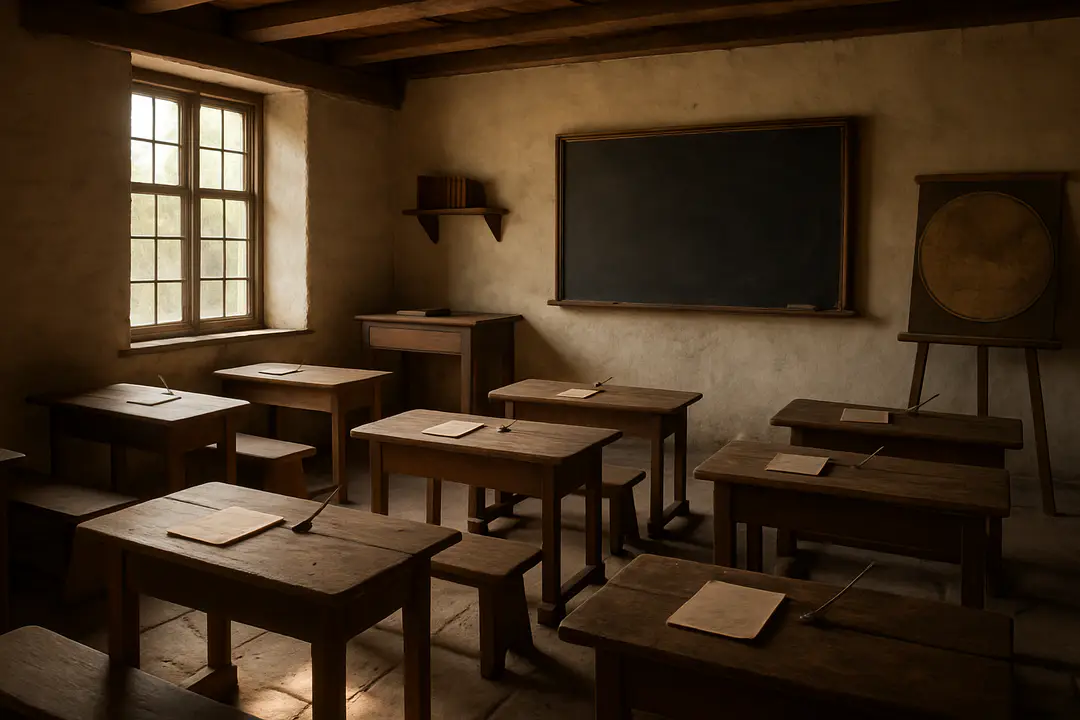
Most classrooms were one-room buildings with rough wooden floors. Desks were simple benches with slanted tops. A small fireplace provided heat in winter. Walls held few decorations – often just a map of the known world.
Tools were basic and shared. Typical items included:
- Quill pens and ink pots
- Slates and chalk
- Shared hymn or prayer books
- A wooden ruler or straightedge
- A simple iron bell for timing
Each student carried a thin slate for math and spelling drills. Ink was precious, so slates prevented waste. These shared resources forced learners to take turns and build patience.
Tip: When recreating this setup, gather a few slates, quills, and a small bell. These items spark curiosity and show how students managed with limited supplies.
curriculum and subjects
The curriculum relied heavily on religion and language. Latin was the main academic subject. Children spent hours memorizing prayers and verses. Arithmetic and reading came next. In rural areas, lessons on farming or navigation might appear.
Records show that religious study took up nearly half the day. Teachers used catechism questions to test understanding. A deeper look at classroom challenges in early schools reveals how strict this focus could be. Practical studies were brief and often based on local trade needs.
Most girls learned domestic skills alongside basic reading. Boys might get extra training in surveying land or bookkeeping. This gender split shaped later work choices. But both groups shared core literacy drills.
Tip: To compare past and present offerings, list modern subjects beside these parts. You’ll see how priorities have shifted from faith to science and technology over time.
social dynamics in class
Students ranged in age from six to teen years, all in one room. Older learners often mentored younger ones during free blocks. This peer teaching saved time and reinforced older students’ skills. It created a sense of responsibility and community.
Discipline was public and strict. A misstep could draw sharp words or a small cane swat. Yet students also formed strong bonds. They played simple games together during breaks and helped each other read or write.
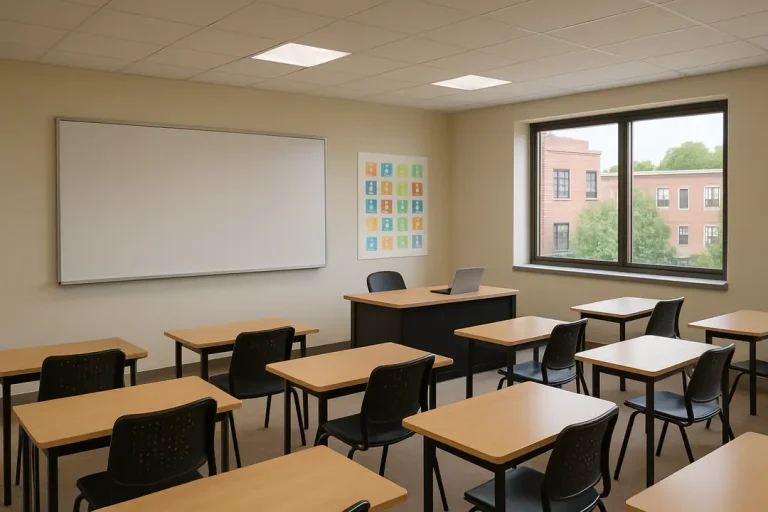
While we now value modern digital tools, young learners then saw chalk and quill as their main tech. Comparing both eras shows how environment shapes interaction and focus.
Tip: Encourage peer mentoring in group tasks today. It builds leadership skills just as it did centuries ago, but with kinder methods and better tools.
conclusion
Looking back 300 years reveals a world where schools were simple but deeply structured. Students followed strict routines, learned mostly by rote, and shared every tool. Yet they built strong community bonds and essential skills for life. By studying daily routines, teaching methods, classroom layout, curriculum, and social dynamics, we see the roots of modern education.
Understanding these historical practices helps modern teachers appreciate the evolution of learning. It shows that structure, shared resources, and peer support still matter. Armed with that insight, educators can blend the best of past and present to craft more engaging lessons. Takeaway: history is more than facts—it can shape fresh ideas for today’s classrooms.