
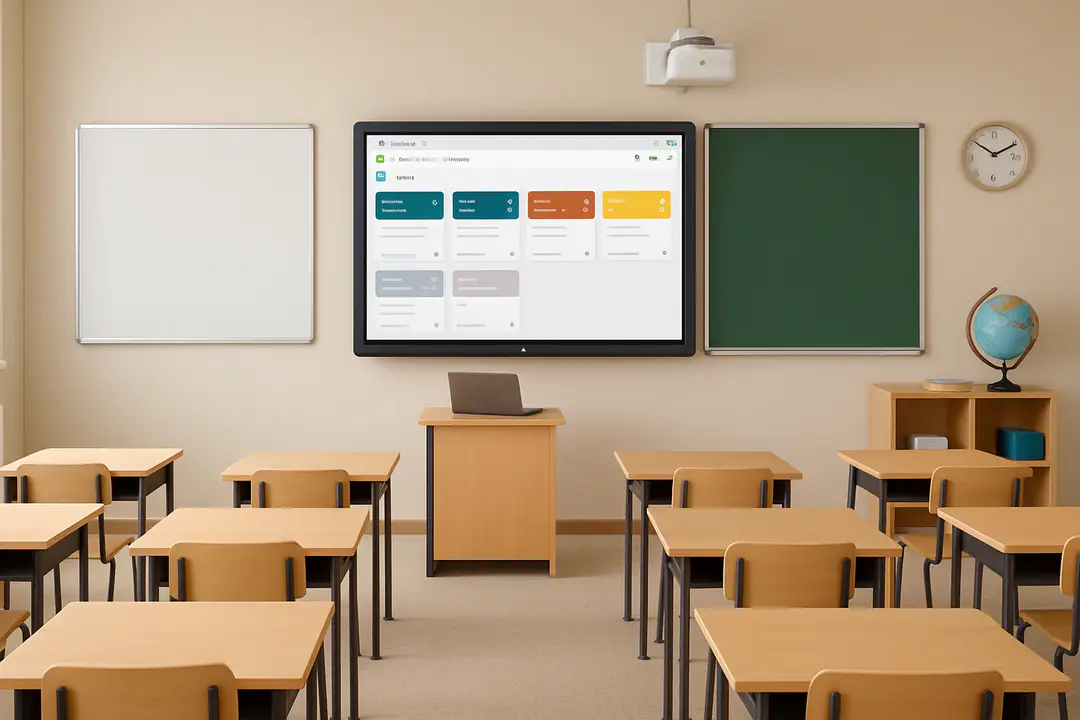
Complete Classroom 6x Guide: Features and Setup 2024
We all know how digital tools can reshape learning environments by bringing flexibility and engagement. Yet there’s one platform that often flies under the radar: Classroom 6x. This system delivers a powerful blend of ease and customization, but it slips past many educators. What makes its adaptive features so important, and how can they transform daily lessons?
The answer lies in understanding the platform’s unique scaling options and customization controls. Getting a handle on these will help teachers avoid common pitfalls and ensure smooth interaction. By digging into these details, you’ll see how Classroom 6x empowers informed choices and keeps surprises at bay.
Understanding 6x Model
Classroom 6x is built around a core idea: deliver six levels of learning engagement for every student. Each tier adapts content complexity, pace, and support. Beginners benefit from step-by-step directions. Advanced learners access enriched materials and deeper problem sets. This model ensures no one moves ahead too quickly or falls too far behind.
For school districts, this means reducing lesson planning time. Educators can assign tiered modules at once, confident each student sees content at the right level. Data dashboards track progress through each stage. Administrators spot patterns and step in when necessary. This approach boosts both confidence and performance.
Practical tip: start a pilot group. Test one subject for two weeks. Gather feedback on clarity, pacing, and student engagement. Adapt your teaching based on real user data before rolling it out campus-wide. That way, you prevent frustration and ensure each learner finds their sweet spot.
Platform Setup Steps
Getting Classroom 6x up and running takes under 20 minutes. First, create your master account on the web portal. Once in, choose a default learning path for your class. You can pick from math, science, or language tracks. Next, upload your syllabus or import lesson templates via CSV.
After importing, map your lessons to the six levels of engagement. Do this by tagging content with labels like “Intro,” “Practice,” or “Challenge.” The intuitive drag-and-drop interface makes this process quick. You’ll see real-time previews of how each student might experience the material.
Next, invite your students via email or unique class codes. They can log in with single sign-on (SSO) if your school uses a directory service. Verify access by having students complete a short quiz. That confirms everything loaded correctly.
Tip: use the sandbox mode for a dry run. Invite teaching assistants or tech staff to test each step. Iron out glitches before launch day. This reduces downtime and helps you appear confident in front of your class.
Core Features Overview
Classroom 6x offers many tools designed for active learning. Here are the standout features:
- Adaptive Quizzes: Questions adjust in real time based on student answers.
- Live Annotations: Teachers draw on virtual whiteboards and highlight text.
- Group Rooms: Break students into small teams for peer work.
- Progress Reports: Export visual charts to monitor class-wide trends.
- Resource Library: Prebuilt lesson packs ready to customize.
These tools aim to reduce friction in daily activities. Adaptive quizzes keep students from getting bored or overwhelmed. Live annotations mirror physical classroom interaction. Group rooms foster collaboration without physical constraints.
Data-driven tip: schedule weekly report reviews. Block out 15 minutes each Friday to scan progress charts. Identify students close to level thresholds and assign quick reviews or challenges. This prevents small gaps from turning into major roadblocks.
Seamless Tool Integration
Many schools already use apps like Google Workspace or Microsoft Teams. Classroom 6x plays well with both. You can link grades and assignments directly into your learning management system. Some educators prefer using Google Classroom X tools for grade syncing and file sharing. It’s a simple one-click process to tie user accounts together.
To integrate, head to settings and select the integration tab. Turn on the services you use, then authenticate. For Teams, you’ll use an API key. For Google, allow Classroom 6x to read your class roster and assignments. Once set up, you’ll see new options pop up in your daily dashboard.
Practical step: test each link in a staging environment. Send a sample assignment, confirm it appears in both systems, and check grade return. Doing this ensures no data drops or sync delays. It also helps you train support staff if anything goes wrong during live classes.
Access and Security
Security and uninterrupted access are crucial, especially in shared networks. Classroom 6x uses SSL encryption for data in transit. User authentication relies on secure tokens that expire after one hour. Teachers can revoke access instantly if accounts are compromised.
If your campus blocks certain platforms, consider the unblocked learning option. This alternate domain bypasses common firewall filters. It’s fully compliant with privacy policies and doesn’t require VPNs, so students access lessons without IT delays.
Tip: enable two-factor authentication for all staff. It only takes a minute during account setup and adds a major security boost. Also, schedule quarterly audits of user logs. Spot unusual login patterns early and keep data safe.
Boosting Student Engagement
Classroom 6x isn’t just tech—it’s a chance to reshape how students learn. Gamification features award badges when students hit milestones. Set class challenges that encourage teamwork across rooms. Celebrate wins publicly on your shared dashboard.
Another approach is mixing media. Embed videos, simulations, and external links. Students stay attentive when lessons break from text-only formats. You can even offer mini polls to gather opinions mid-lesson and adjust on the fly.
Real-world tip: start each class with a quick icebreaker poll. Use the data to guide your opening discussion. This connects students’ voices directly to the lesson and sets an engaging tone.
Finally, collect feedback regularly. Use a simple form after each module to ask what worked and what didn’t. Small course corrections lead to big gains in motivation and outcomes.
Classroom 6x turns online learning from a one-size-fits-all task into a dynamic, student-centered journey. Embrace its capabilities today, and watch both teaching and learning flourish.


