Mastering Effective Classroom Management Unblocked
Managing a classroom is part art, part science, and all heart. Every day we juggle lesson plans, student personalities, and unexpected hiccups. Yet, the role of student-led guidelines often slips under the radar. How can inviting students to shape the rules actually make things smoother?
It all begins by handing over a bit of the playbook. When students help craft classroom norms, they feel more invested in following them. This kind of ownership cuts down on pushback and surprises. And that shift can transform tension into teamwork.
Understanding the Unblocked Classroom
Unblocked classroom management drops unnecessary limits. It focuses on trust, clear goals, and shared ownership. Instead of walls of “No,” teachers offer open lanes for ideas to flow. This approach spotlights student strengths rather than punishing missteps.
Start by imagining what learning looks like when students know they have a voice. They ask more questions. They try new things. They step up when given responsibility.
In practice, an unblocked classroom often has flexible seating, project choice boards, and open discussion times. This setup signals that rules exist to guide, not to trap. It changes the tone.
But unblocking isn’t chaos. Smart structure still matters. You just shift from top-down mandates to shared agreements.
Tip: At the start of term, open a simple survey. Ask students how they like to learn and what rules feel fair. Use that feedback for your first draft of guidelines.
Setting Clear Boundaries
Boundaries and freedom go hand in hand. When students see clear lines, they know just how far they can explore. Vague rules become a source of stress and second-guessing.
One powerful move is to co-create rules together. In a quick session, let groups list what helps them focus and what breaks their flow. Then compare notes as a class.
After you agree on key points, write them in plain language. Post the list where everyone can see. Refer back to it when issues pop up.
This shared set of expectations cuts warnings and reminders. It also holds everyone accountable, since the class agreed on the terms.
Tip: Review these rules every month. Small tweaks keep them fresh and relevant. Change the wording or add new points based on real situations.
Engaging Learning Activities
Active learning beats silent lectures any day. Here are five activities to get minds buzzing:
- Think-Pair-Share: Students reflect alone, turn to peers, then share with the group. This low-barrier step builds confidence.
- Role Play Scenarios: Assign characters in a story problem and have groups act out solutions. It deepens understanding.
- Project Choice Boards: Let students pick tasks from a menu of options. It sparks ownership and creativity.
- Digital Game Integration: Use interactive games that tie to your lesson goals. A quick quiz game can reveal gaps and fuel friendly competition.
- Gallery Walks: Post questions around the room. Students move in small teams and jot answers at each station.
Each activity encourages movement and collaboration. Rotate these regularly to keep energy high. And always debrief at the end so students connect the fun to real skills.
Leveraging Digital Tools
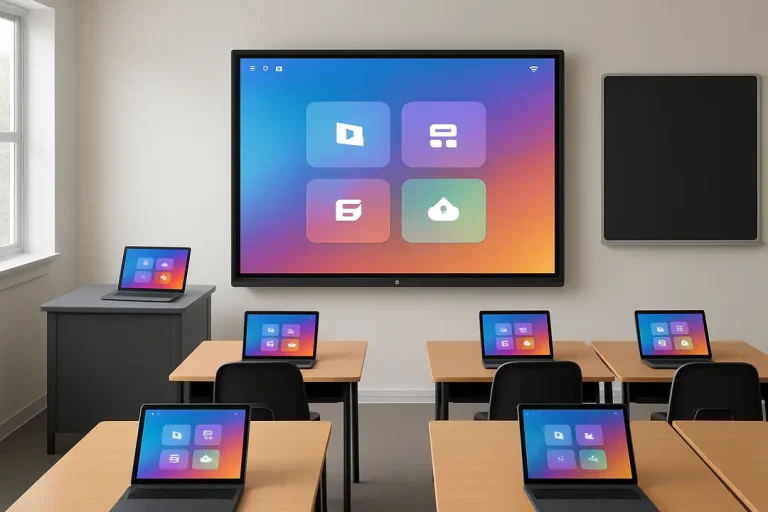
Digital platforms can amplify an unblocked approach. They free up face-to-face time for deeper conversation and hands-on work. One popular choice is a cloud-based classroom hub.
With a tool like the digital classrooms platform, you can post resources, track assignments, and collect feedback instantly. Students log in, choose tasks, and submit work on their own schedule.
These systems also support peer review. Assign a simple rubric and let classmates evaluate each other’s drafts. That peer input drives motivation and trust.
To keep things unblocked, set clear digital etiquette rules. Define response windows and online manners. Then let students roam within those guidelines.
Tip: Run a short tutorial at the start. Show students how to find assignments, ask questions in comments, and upload files. That minor investment prevents tech confusion later.
Handling Disruptions Calmly
Disruptions are bound to happen. The key is to keep your cool and follow a calm process:
- Pause and Assess: Take a breath and note what’s really going on. Is it mischief, misunderstanding, or frustration?
- Address Privately: Move closer or whisper brief feedback. Avoid calling out students in front of peers.
- Refer to the Rules: Remind students of the shared guidelines. “Remember our agreement to respect talking turns.”
- Offer Choices: “You can finish this here or take a minute to reset outside.” Choices give students back control.
- Follow Up: After class, check in. Hear their side and clarify expectations moving forward.
This steady routine reduces drama. It shows students you’re fair and patient. Over time, they learn to self-regulate rather than seek attention.
Feedback and Reflection
Feedback loops keep an unblocked classroom thriving. When students see progress, motivation soars. Regular check-ins also catch minor issues before they grow.
One method is a quick exit ticket. Ask students to write one thing they learned and one question they still have. Review these notes before the next class.
Another tactic is peer feedback circles. Groups of three share work and offer a strength plus one suggestion. This structure builds trust and sharpens skills.
Finally, hold periodic one-on-one conferences. Five minutes per student can clarify goals and celebrate wins. Students appreciate focused attention.
Tip: Use anonymous surveys now and then. Honest input on teaching pace or activity choice can guide your planning.
Wrap Up
Shifting to an unblocked classroom means blending trust, structure, and engagement. By co-creating rules, adding dynamic activities, and using digital tools, you foster a space where students thrive. Calm routines for disruptions and ongoing feedback tie everything together. Start small: pick one strategy and build on it. Before long, you’ll see a classroom that’s open, active, and respectful.
At its heart, unblocked management is about shared ownership. Teachers guide with clarity and care, while students step up as partners in learning. With this partnership in place, the classroom becomes more than a room—it turns into a community ready to explore, question, and grow together.