
Classroom 30x Strategies for Modern Learning
You know how a classroom shapes the way students engage and grow. Yet we often focus on walls, desks, and schedules and miss a hidden layer: the layout and tools that guide every moment. Ever wondered if a simple tweak in space or tech could spark more curiosity and keep distractions at bay?
The secret lies in understanding how each design choice—from movable furniture to smart projectors—affects learning. By tuning into these elements, you can plan better lessons, boost focus, and avoid surprises like constant noise or wasted resources.
Flexible Learning Spaces
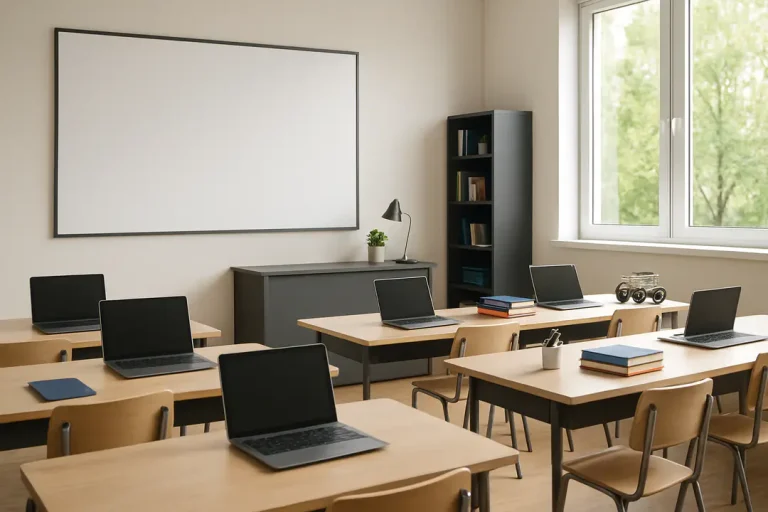
Classroom 30x starts with flexibility. Rigid rows limit interaction. Movers, foldable tables, and mobile whiteboards invite change. A reading corner today can become a debate circle tomorrow.
Begin by choosing furniture that rolls or folds. Arrange desks in clusters for group work. Then test different setups. Watch how students shift from passive to active. You might see shy students speak up when chairs face each other.
Practical tip: Label zones with color-coded floor mats. Green for quiet reading, red for group tasks. Swap furniture every week to keep energy fresh. Note: Too much change can feel chaotic, so balance novelty with routine.
Over time, students will expect collaboration. Flexible spaces support big projects, quick huddles, or tech demos. That adaptability is at the heart of Classroom 30x.
Smart Tech Integration
Adding tech in a Classroom 30x isn’t just about buying gadgets. It’s about picking tools that work together. You want ease of use for both students and teachers.
Here are key devices to consider:
- Interactive Whiteboard: Touch controls make lessons dynamic.
- Document Camera: Show worksheets in real time.
- Wireless Microphones: Ensure every voice is heard.
- Tablet Stations: Allow small-group research.
- Charging Cart: Keep devices powered and organized.
Practical tip: Test all devices before school starts. Create a simple guide with photos. Share with staff so everyone can plug in without panic. A well-oiled tech setup saves minutes every class.
Link these tools to your lesson plan. For example, use polls on the interactive board for instant feedback. Let students present via the document camera. Classroom 30x thrives when tech feels natural, not forced.
Seating Arrangement Tips
Seating is more than rows or circles. It’s about intention. Every seat impacts attention, behavior, and peer interaction. Classroom 30x places purpose at the center of seating choices.
Start by mapping student needs. Who works best alone? Who benefits from peer support? Mix high-achievers with those who need guidance. Rotate seats every month to build empathy and fresh perspectives.
Tip: Keep sight lines clear. Avoid back rows that feel neglected. Use semi-circles for class discussions. For tests, angle desks so students can’t glance sideways.
Observe how the seating shift affects participation. You may find a quiet student become a leader in a new spot. Or note if certain areas get too noisy. Adjust lighting or add privacy screens as needed.
Seating in Classroom 30x is a living element. Tweak it based on activity. A lab day calls for bench-style seats. A writing workshop works best in pods. Let purpose drive form.
Lighting and Acoustics
Great design in Classroom 30x cares for eyes and ears. Poor lighting leads to headaches. Echoes or noise distractions can derail a lesson.
Maximize natural light. Angle desks toward windows but avoid glare on screens. Install blinds you can adjust by time of day. Use LED lights with adjustable brightness for cloudy days.
Acoustics matter too. Hard floors cause echoes. Add rugs or wall panels to soften sound. Place bookshelves on solid walls to break up noise waves. Consider strategic placement of rugs under tables in group areas.
Practical tip: Use a sound level app on your phone. Walk the room during class activities. Aim for levels under 70 dB. If noise spikes, look at seating in collaborative corners or add soft furnishings.
When students hear clearly and see well, they stay focused. That’s the Classroom 30x promise—attention won’t slip away.
Collaborative Learning Zones
Classroom 30x celebrates teamwork. But random clusters don’t cut it. You need defined zones for different tasks. This clarity helps students shift gears smoothly.
Try these zone types:
- Brainstorm Corner: A couch or beanbags for open talks.
- Project Hub: Tables with power outlets and storage.
- Quiet Alcove: Individual desks separated by screens.
- Presentation Stage: A clear front space with audio support.
Each zone should have clear purpose. Use signs or colored tape on the floor. Train students to move only at set times—say, after a timer rings. This routine cuts down on chaos.
Tip: Rotate roles. One day a student leads the Project Hub. Next week another runs the Presentation Stage. This builds confidence and ownership. Over time, zones become intuitive, boosting the Classroom 30x experience.
Safety and Accessibility
At its core, Classroom 30x is for everyone. Safety and inclusion can’t be an afterthought. Think through every corner to ensure no one is left out.
Check aisles for wheelchair access. Keep cords taped down and out of sight. Store heavy items low on shelves to prevent falls. Label emergency exits clearly. Conduct quick drills so students know the route.
In terms of inclusion, offer adjustable desk heights. Provide large-print materials or screen readers for students with visual impairments. Seat learners with hearing challenges closer to the front. Ensure microphones and speakers serve every ear.
Tip: Gather feedback from students. Ask if they feel comfortable moving around. If a student struggles, adjust the layout immediately. Small changes add up.
When safety and accessibility are baked into the design, Classroom 30x becomes a place where all students thrive.
Conclusion
Building a Classroom 30x is more than a facelift. It’s a thoughtful alignment of space, tech, and strategy that meets real needs every day. From flexible zones to smart devices, each choice sends a message: this is a place to explore, discuss, and grow.
By embracing adaptable furniture, clear zones, proper lighting, and inclusive design, you create an environment that responds to activities and learners alike. The result is a classroom that hums with engagement rather than echoes with confusion.
Ready to bring Classroom 30x to life? Start small—swap two desks or add a document camera. Note the difference in energy. Gradually layer in other elements. Before long, you’ll see more questions, deeper focus, and a stronger sense of ownership from your students. That’s the real power of Classroom 30x.
Check out Retro Bowl Classroom 30X Engagement Boosts Learning