
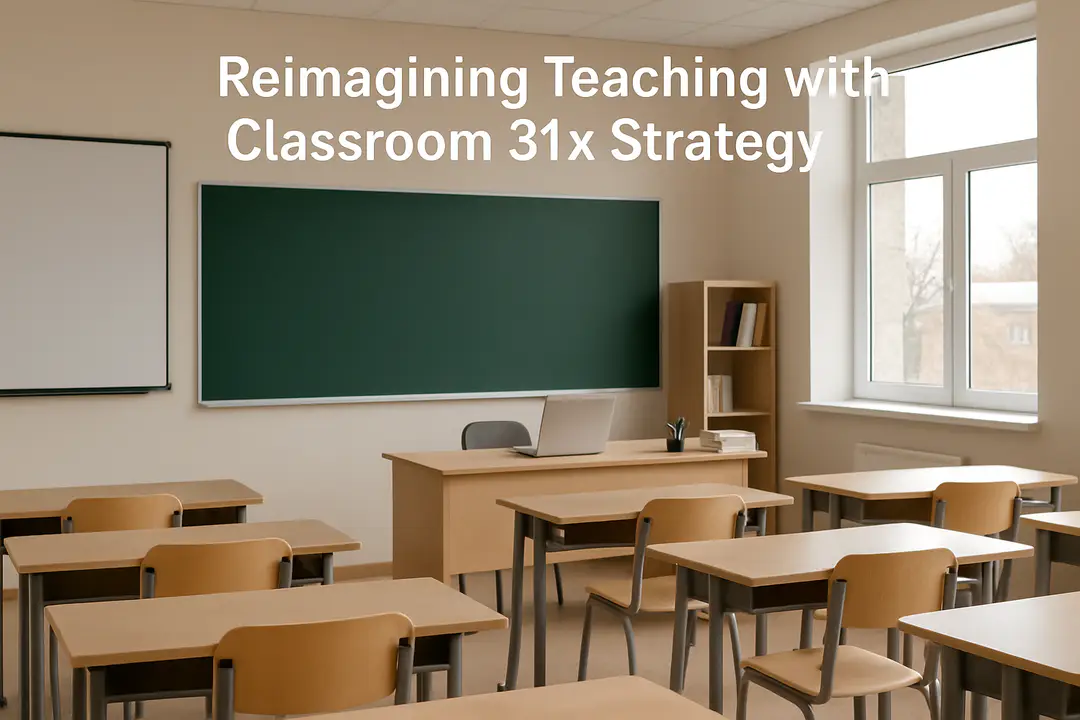
Reimagining Teaching with Classroom 31x Strategy
It can feel tricky to design a classroom that meets every student’s needs and keeps them fully involved. Many educators focus on new gadgets or flashy decor but skip a deeper framework that ties it all together. Classroom 31x shifts the spotlight to a balanced system of tech, layout, and teaching habits that rarely gets the attention it deserves. Could missing this deeper layer be why some modern classrooms still fall short?
By digging into this core framework, teachers can connect tools and space in a logical way. Understanding Classroom 31x helps you avoid wasted budgets on random upgrades. It guides you to blend technology, furniture, and methods for smoother lessons. With this clarity, you’ll make smarter choices and dodge common design traps.
Core Concepts
Classroom 31x builds on ideas from Classroom 30x but adds more focus on adaptability. At its heart is a loop of planning, practice, and review that adapts to each group’s progress. You will map out zones for teamwork, quiet focus, and one-on-one coaching. This framework lets you adjust tools and tasks in real time. By learning from the impact of Classroom 30x concepts, you see how tweaks in structure can make a bigger difference than one-off tool swaps.
The framework also stresses clear outcomes. You set learning goals and choose the best mix of tech and space to hit them. If you need a video station, a reading nook, or a mobile lab, the plan covers it. You review outcomes daily and shift resources where the class needs more help. This cycle creates a living system rather than a static setup that goes stale fast.
Understanding these core ideas gives a map to guide investment. You avoid buying every new gadget and focus on the right mix for your students. Over time, this approach builds a stronger culture of growth and ownership. It makes it easy to show why each choice matters. And it keeps you focused on progress instead of spending.
These ideas serve as the backbone for every detail you add. They help you blend design and curriculum in a single strategy. They guide you on where to invest time and money. In short, they set the stage for real growth in every lesson.
Tech Integration Tips
Picking new tech can feel like a maze. With Classroom 31x, you look for tools that connect to your core plan. The goal is not to collect gadgets but to boost real learning. Here are five top choices that fit the framework:
- Interactive whiteboards for group brainstorming
- Learning management systems that track goals
- Augmented reality kits for hands-on exploration
- Digital assessment platforms with instant feedback
- Collaboration apps that tie tasks and chat
Each tool serves a clear role in your layered approach. For example, a whiteboard station pairs with solo work areas. An LMS links group projects to personal dashboards. When you stay true to the plan, tools support each phase of learning.
You can learn practical ideas for these setups from detailed ed-tech tutorials that walk you through real classroom tests. Always pilot new software with a small group. Gather feedback and adjust your settings. That way, students feel heard and you avoid costly mistakes.
Budget wisely by picking one or two new items each term. Train your staff first. A quick demo can cut support calls by half. Keep data on tool use. If something falls flat, swap it out or change the workflow. This cycle builds a smarter tech toolbox over time.
Flexible Layout Design
In a Classroom 31x model, furniture moves as easily as ideas. You want to create zones for different activities. Rollable desks, stackable chairs, and mobile storage let you transform the room fast. When a group needs privacy, you gather desks in a corner. For a hands-on demo, you clear open space in minutes.
Start by sketching your ideal floor plan on paper or a simple app. Mark areas for small teams, solo focus, and whole-class presentations. Leave at least three feet of walking room around each zone. That space helps you switch flows without tripping over cables or chairs.
Lighting and sound matter too. Use soft panels or rugs to dampen noise in team corners. Add adjustable lamps over reading nooks. A dimmable overhead setup works for video sharing. These tweaks cost little but make big comfort gains.
A key tip is to color-code areas. Soft circles on the floor or tape lines signal “quiet zone” or “chat corner.” Students learn to self-manage and move without asking every time. It becomes part of the culture you build with Classroom 31x.
Engagement Strategies
Great design and tech are just the start. You need interaction strategies that keep minds active. Classroom 31x uses three main approaches: collaboration, choice, and challenge. Each one taps into a different part of how we learn best.
| Strategy | Benefit | Example Tool |
|---|---|---|
| Collaborative Projects | Builds teamwork skills | Shared Docs |
| Multimedia Content | Appeals to varied learners | Video Platform |
| Gamified Challenges | Boosts motivation | Quiz Apps |
For collaboration, assign mixed-skill groups and rotate roles. When you do this, students learn from peers and cover weaker areas. Multimedia can include quick polls or video clips that tie back to core goals. And gamified exercises let you tie prizes to progress rather than raw scores.
Always close with a reflection moment. A quick one-minute journal or group recap helps students review what they did. This step locks in learning and gives you feedback on what worked. Small talks like this become a powerful habit in your 31x setup.
Data shows that classes using these strategies see over 20% jump in engagement scores. Track participation metrics monthly. Use simple surveys or built-in quiz stats. This data helps you tweak tools and zones for maximum impact.
Assessment Feedback
In Classroom 31x, assessment is ongoing rather than a test once in a while. You set micro goals and review progress every week. Short quizzes, quick polls, or exit tickets give you a snapshot of each student’s grasp. Over time, these touchpoints paint a clear picture of class trends.
Try digital portfolios for deeper work. Students upload drafts or video presentations to a shared folder. You review and comment directly on each piece. This method saves paper and keeps feedback tied to the work itself. Students also see their growth in one place.
Peer review is another key part. Pair students to trade feedback based on a simple rubric. This builds critical thinking and communication skills. You rotate partners so they learn to give and take feedback with different classmates.
Provide feedback within 48 hours for quizzes or assignments. Studies show timely comments boost follow-through by 30%. Use comment templates to make this faster. A quick list of three strengths and one suggestion is all most students need.
Finally, hold a monthly one-on-one chat. A five-minute talk can fix small gaps before they grow. Keep notes on these chats in your plan. This habit closes the feedback loop and keeps every student on track.
Implementation Roadmap
Bringing Classroom 31x to life is a step-by-step process. Rushing all changes at once can overwhelm staff and students. Instead, follow a clear roadmap that builds your system in stages.
- Assess current setup and list gaps
- Share the vision with your team
- Pilot one tech tool and one layout shift
- Gather feedback and adjust
- Scale to full class over a term
- Review and refine each cycle
Start with a small group or single subject. This pilot group will test the plan and give you honest feedback. Document what worked and what did not. Then share wins and tweak details before expanding beyond that team.
Once you see positive shifts in engagement or assessment data, roll out the next phase. Keep communication open. Short weekly check-ins help keep everyone aligned. This steady pace avoids burnout and builds buy-in.
By the end of a term, you will have data and stories to show the impact. Use these to secure resources and support for year two. Continuous review keeps Classroom 31x fresh and responsive to changing needs.
Wrapping Classroom 31x around your teaching practice creates a living, adaptive learning environment. It ties core concepts, tech choices, flexible spaces, engagement strategies, and feedback loops into one coherent system. With clear steps and ongoing review, you avoid the trap of random upgrades that end up unused.
This approach also builds a culture of transparency and growth. Students learn to manage zones, tools, and peer feedback. Teachers share insights and adapt on the fly. Over time, the classroom becomes a true learning lab where every change is driven by real data and student voice.
Ready to transform your space? Start small, gather your team, and map out your first pilot. Keep resources aligned to your goals and refine at each step. When you make Classroom 31x your guiding strategy, you’ll see learning outcomes rise and engagement stay high. Make today the day you rethink space, tools, and teaching as one unified journey.