Assassination Classroom x AOT: Titan Training Mashup
Crossovers spark new energy and fresh challenges for fans who love shifting settings. But often we miss how assassination strategies change when Titans roam. Blending elite teacher tactics with giant enemies opens unseen doors. How can this fusion reveal hidden strategies we often overlook?
By digging into how Assassination Classroom methods reshape Titan encounters, we unlock clever teamwork and battle growth. Fans gain deeper insights and avoid narrative pitfalls. Understanding these shifts helps you spot surprises early and enjoy every twist fully.
Revisiting Titan Threats
The Attack on Titan world hinges on a constant fear of colossal enemies. Each Titan shows a different danger that demands a unique response. Assassination Classroom adds a surgical mindset. Combining both, we see how stealth and quick strikes can exploit Titan weak points. This section maps Titan types and adapts assassin tactics.
Regular Titans suffer neck cuts. The Jaw Titan moves fast. Founding Titans wield powers. An assassin approach suggests targeting mobility or authority centers. Below is a simple comparison of threat responses.
| Titan Type | Assassin Tactic | Key Focus |
|---|---|---|
| Regular Titan | Neck strike | Precision and speed |
| Armored Titan | Distraction and explosion | Weak vent points |
| Colossal Titan | Cover and fallback | Heat tolerance |
With this view, readers see how targeted kills shift enemy balance. They learn that each Titan needs a tailored plan before breach.
Classroom Dynamics Shift
The fusion forces educators and cadets to rethink class culture. In Assassination Classroom, Koro sensei uses unorthodox lessons. In AOT, training happens in harsh military camps. Bringing these together, lessons must balance empathy with sheer survival drive. Students in this hybrid class face new group challenges and unexpected bonds.
Peer trust grows when you rely on gear and wits. Mapping a class project might borrow team tactics from scout squadrons. Students also use team challenge mini-games to boost morale. These quick simulation tasks reinforce real stakes. The mix shifts debates from grades to life or death.
Strategy and Training
Training must tie assassination drills to ODM gear mastery. Scouts learn vertical movement while assassins focus on close-range precision. Merging both, one plan evolves from fast approach to swift kill. Follow these steps to craft a balanced regime.
- Assess Titan type and layout.
- Select assassination technique.
- Plan ODM route carefully.
- Synchronize with team cover.
- Execute and retreat.
For deeper practice, fans can use interactive combat drills online. That builds muscle memory for swift strikes.
Below is a quick comparison of three training methods:
| Drill | Universe | Primary Focus |
|---|---|---|
| Neck Strike | Assassination Classroom | Precision |
| 3DMG Run | Attack on Titan | Mobility |
| Merged Drill | Crossover | Coordination |
This blended training sharpens both mind and body. Regular cycles of practice reduce panic during Titan hunts.
Resource Crossover Gear
Gear is vital when two worlds merge. Scouts rely on gas canisters and blades. Assassins bring chalk, smoke bombs, and custom weapons. Fans can imagine hybrid kits that cover both worlds. A smart toolkit blends stealth, mobility, and survival supplies.
Here are key items every crossover squad should pack:
- Modified ODM gas canisters for longer flight
- Carbon steel blades for neck cuts
- Chalk-based smoke bombs for cover
- Compact ration packs with scout supplies
- Encrypted Classroom textbooks as mission guides
Field exercises also use field simulation tools to test real time loads. This approach keeps gear light and mission-ready.
Emotional Bonds Deepen
Merging these classes highlights deep ties between teacher, students, and squad. Koro sensei cares for his class. Commander Erwin pushes scouts to tough choices. Together, mentors guide youth through fear and loss. This section explores how bonds form under crossfire pressure.
When a student falls, team reaction shapes group morale. Fans see heartwarming support scenes where cadets comfort each other. It also shows how laughter and shared meals heal after missions. Writing these moments helps fans connect more deeply with each character.
Epic Battle Showdown
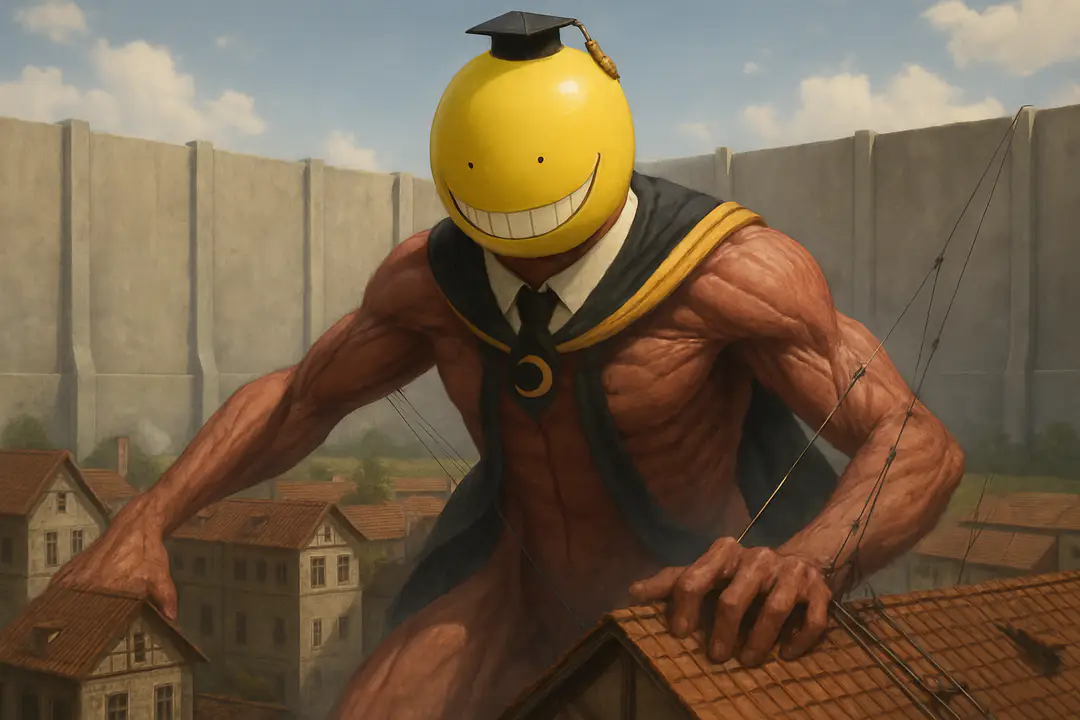
No crossover feels complete without a grand finale. Picture Koro sensei leading scouts against a Titan horde. Students stealthily climb walls, set traps, and strike the final blow. The sync of learned assassination tactics and 3DMG acrobatics makes for a cinematic climax.
In this showdown, timing is everything. Teams must split tasks. Some distract Titans with chalk bombs. Others aim for the neck. Scouts flank from above. This choreography teaches fans about coordination. It shows how combined strengths beat larger foes.
Art panels or fan animations can bring this to life. A final tip: focus on pacing. Slow tension scenes before fast action keep readers hooked. That way, every move carries weight.
This Assassination Classroom x AOT guide uncovers hidden layers when two universes collide. Fans learn that strategy, gear, and emotion shape the narrative. Mapping out training, threats, tools, and bonds gives fresh insights. You can spot clever twists early and avoid clichés.
Whether you write fan fiction, art, or enjoy roleplay, use these ideas to spark creativity. Blend strict class lessons with Titan hunts in your own scenes. Experiment with gear mixes and test tactics in drills. Pay attention to pacing and emotional highs.
Remember, the best crossovers honor each source while creating something new. Bring hope, tension, and humor in equal measure. Celebrate each character’s growth as they face giant foes. That blend makes for a story readers won’t forget.
When you share your crossover tale, readers will feel the bond and thrill. So pick up your pen or controller, and start your fusion adventure today.