Best Ramsey Classroom Strategies for Modern Teachers
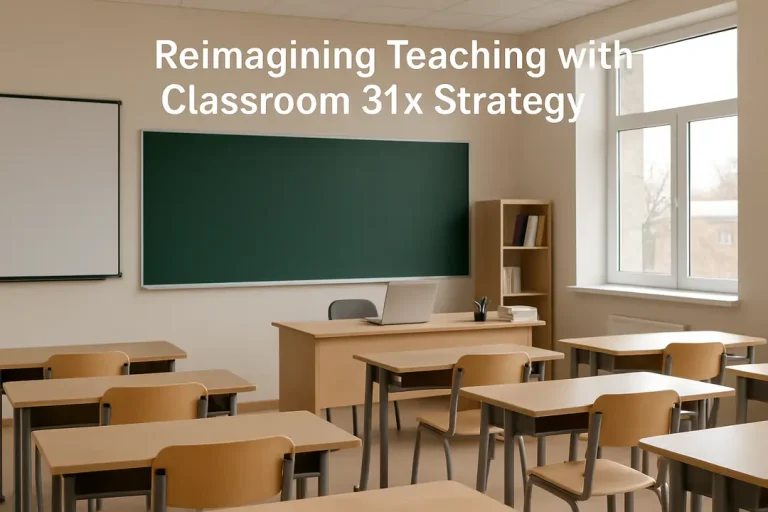
Classrooms are more than rows of desks and a whiteboard at the front. They set the stage for how students feel, think, and learn each day. Yet many teachers focus only on lesson plans and ignore the space itself. Have you ever thought that the way you place chairs can shape engagement and focus?
By tweaking seating patterns and room flow, you can invite more participation. Shifting a few desks can boost eye contact and group work. Small layout changes help students feel seen and ready to dive into activities. This simple step can improve learning outcomes and classroom energy.
Classroom Layout Impact
Every teacher knows a clear view of the board is crucial. But did you know that line of sight also affects collaboration? When desks face forward all the time, group tasks feel forced. Try a U-shape or small clusters to spark discussion. These setups also let you move around to coach individual learners.
Lighting matters too. Natural light reduces stress and boosts mood. If your windows are blocked, add a mirror or light tube. Soft side lamps can reduce glare and eye strain on screens. You can even set up activity zones: a reading corner and a project station.
For quick mental breaks, use educational unblocked games that run in any browser. They can energize the group before heavy topics. Keep a tablet or laptop on standby with easy access. Just five minutes of a puzzle game can reset focus and creativity.
Simple rugs or floor decals can define areas. Let students choose spots for quiet reading. A cozy rug near books or soft pillows can feel like a mini-lab. This sense of choice increases ownership and reduces off-task chatter.
Lesson Plan Essentials
Good lessons start with clear goals. Ask yourself, what should students know by the end? Then work backward to design steps that build on each skill. Include an engaging hook. A short story, a real photo, or a quick poll can grab attention in minutes.
Next, break instruction into chunks. Teach a skill, then let students practice right away. This “I do, we do, you do” model ensures they stay on track. After practice, wrap up with a quick reflection or exit slip. Ask them to write one new thing they learned.
Use visuals and hands-on tasks. Charts, models, and sample work give clear examples. You can set up a simple mini-lab on lab tables or desks. Rotate through stations so every student handles materials without waiting too long.
Finally, plan for variety. Mix group work, partner talk, and individual tasks. This keeps energy balanced and prevents burnout. Changing pace every 10 to 15 minutes can keep students on their toes.
Tech Tools Comparison
Adding digital tools can boost learning if they fit your goals. Many teachers pick a platform by name without checking the features. A brief side-by-side look helps you choose wisely.
| Feature | Google Classroom | Classroom X |
|---|---|---|
| Ease of Use | Very user friendly | Customizable interface |
| Assignment Tracking | Automatic grading options | Detailed analytics |
| App Integration | Works with Drive and Meet | Supports third-party apps |
| Customization | Basic themes | Advanced layouts |
Before you commit, explore advanced Google Classroom features and see what extra tweaks you can use. Pilot a tool with one class before rolling it out schoolwide. Gather feedback from students on what works and what doesn’t. This saves time and frustration later.
Behavior Management
Clear routines set expectations from day one. Start each class with a warm greeting and a quick check-in. This builds trust and signals that learning is about people as well as content. When rules feel fair, students follow them more consistently.
Positive reinforcement beats punishment. Catch students doing the right thing and name it out loud. “I love how Maya raised her hand before speaking.” This lets others know what behavior matters. Use simple rewards like extra choice time or a quick note home.
When issues arise, handle them privately. Pull a student aside rather than calling them out in front of peers. Listen to their perspective and restate the problem. Then set a clear plan: next time, take two deep breaths before you speak.
Track incidents on a simple chart. Review patterns weekly and adjust supports. You might find a student acts out when tasks feel too hard. In that case, tweak assignments or add a short check-in at mid-task.
Collaboration Tips List
Group work builds teamwork skills but needs clear structure. Try these steps:
- Assign roles: note-taker, leader, reporter.
- Set time limits for each part of the task.
- Use color cards for quick peer feedback.
- Rotate groups every two weeks to mix skills.
- End with a group reflection on strengths and challenges.
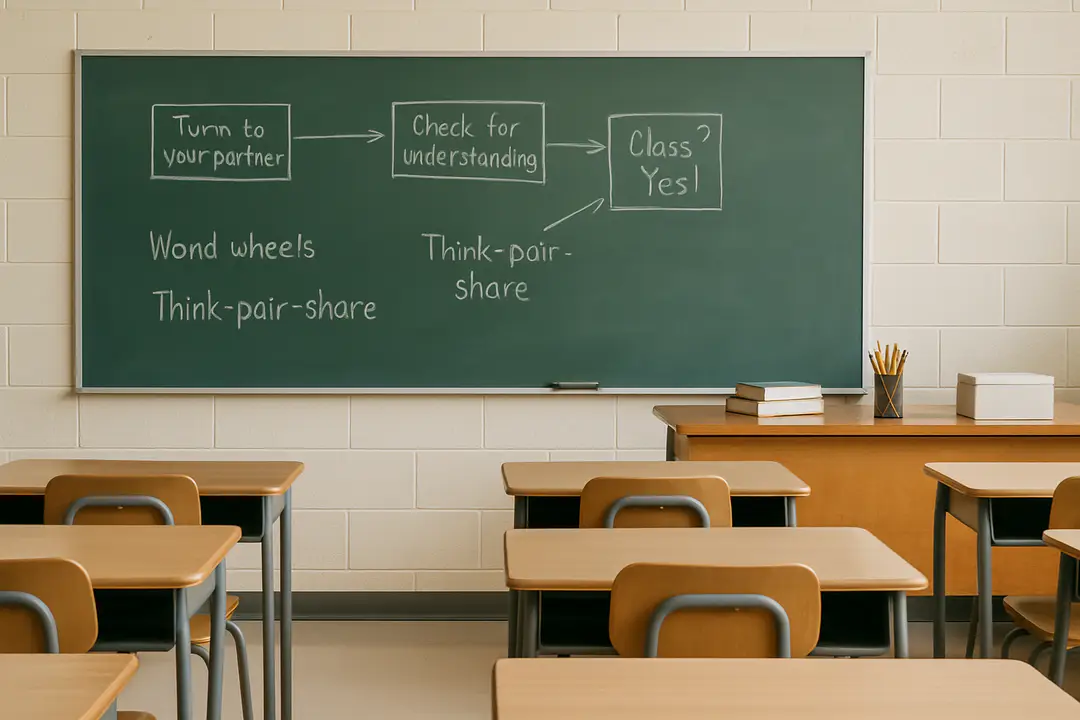
Check in with each group as they work. Offer prompts rather than answers. You might ask, “What could make your point stronger?” This nudges deeper thinking. When groups share, highlight how they solved issues together.
Continuous Improvement
Even the best plans can grow better over time. Keep a teaching journal or digital notes. After each lesson, jot down what went well and what felt off. This habit helps you spot trends.
Collect quick student feedback. A one-question Google Form can reveal if they felt engaged. Do this every two weeks. It costs only a minute of class time but gives valuable data.
Peer observations can spark new ideas. Invite a colleague to watch a lesson and trade notes. This opens a fresh lens on your style. You can learn a new warm-up or management trick in minutes.
Finally, set small goals each month. Maybe you want smoother transitions or stronger hooks. Focus on one change at a time. Track progress and celebrate small wins with your team.
Conclusion
Ramsey Classroom methods go beyond desks and lesson plans. They connect every detail back to student success. From seat arrangements to tech choices, simple tweaks make learning feel more alive. Your classroom can become a workshop where ideas flow and students take charge.
Start by picking one area to adjust. Test a new seating chart or a quick tech trial. Notice how students respond, then tweak again. Over time, these shifts add up to a dynamic space where every learner thrives.
Keep reflecting and stay open to fresh ideas. With each step, you build a stronger community and deeper understanding. Now, take that first step and watch your Ramsey Classroom come to life.