What Is a Flipped Classroom: An In-Depth Guide 2024
Teaching today demands more than lectures—it needs engagement and real understanding. Too often, the role of student responsibility in previewing lessons gets ignored until class begins. When lessons are delivered ahead of time, keeping learners motivated and on track can feel like chasing a moving target. How do educators ensure every student shows up prepared and accountable for the work they’ve reviewed?
By focusing on clear accountability structures, teachers can set expectations and support students through prompts, checkpoints, and feedback loops. When everyone knows what to do and why it matters, class time becomes richer and more interactive. Understanding this can help you design a flipped classroom that keeps students invested, boosts participation, and prevents last-minute confusion.
Why Flip the Classroom
Many teachers face limited time in class to both present material and guide hands-on practice. A flipped model moves direct instruction out of the classroom, freeing up face-to-face sessions for collaboration, problem solving, and personalized help. Imagine spending most class minutes helping each student tackle challenges rather than delivering another lecture.
Consider Sarah, a high school chemistry teacher. She noticed her students zoning out at the end of her lectures, struggling to apply concepts during lab. She started recording 10-minute video lessons for homework and reserved class for small-group experiments. Participation rose, lab results improved, and students felt more confident asking questions in class.
Shifting the basic lecture home also builds ownership. Students learn to manage their own pace and revisit concepts as needed. Meanwhile, teachers gain real-time insight into where learners struggle. This balance of independence and support is the heart of a flipped classroom.
Core Components Explained
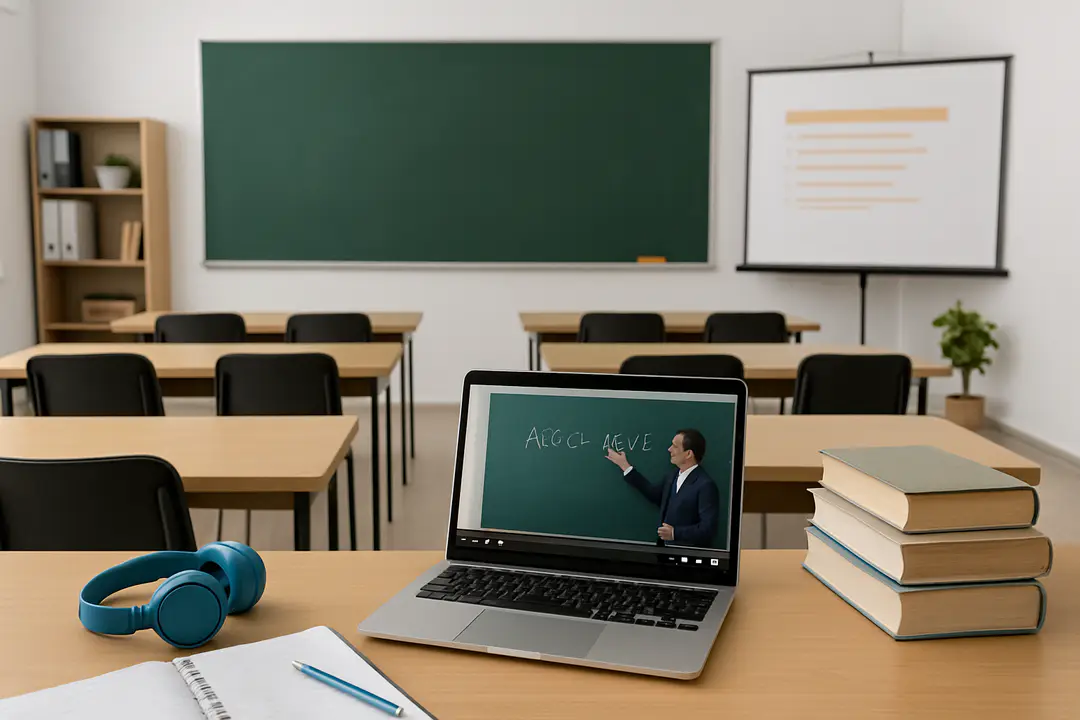
At its core, a flipped classroom has three elements: pre-class work, in-class activities, and ongoing feedback. First, students engage with new content—videos, readings, or quizzes—before coming to class. This primes their thinking and highlights gaps in understanding.
Next, class time transforms into an active workshop. Students collaborate on problems, discuss ideas, and apply concepts under the teacher’s guidance. Rather than listening passively, they dive into deeper learning together.
Finally, feedback weaves through both stages. During pre-class work, quick quizzes or discussion boards help students confirm what they grasp. In class, teachers circulate, offering targeted support and adjusting activities on the fly. Regular reflection—through exit tickets or peer reviews—cements progress and alerts instructors to areas needing review.
Together, these components foster a cycle of preparation, practice, and feedback. Over time, learners become more self-directed, applying strategies to new challenges. For schools exploring technology integration, connecting with reliable online class management tools can streamline pre-class assignments and foster seamless communication.
How to Implement Steps
Starting a flipped classroom takes careful planning. Follow these steps to make the shift smooth and sustainable.
- Step 1: Identify core lessons. Choose topics that benefit from extra practice. Keep video segments short—no more than 10 minutes.
- Step 2: Create or curate pre-class materials. Use screencasts, readings, or interactive quizzes. Aim for variety to address different learning styles.
- Step 3: Set clear instructions and deadlines. Communicate what students should do, why it matters, and when to complete it. Use reminders or simple online polls to confirm completion.
- Step 4: Design in-class activities. Plan group work, labs, or discussions that connect directly to pre-class content. Prepare guiding questions to spark deeper thinking.
- Step 5: Collect feedback and iterate. Use exit tickets, surveys, or quick formative checks to see what worked. Adjust materials and pacing accordingly.
By following these steps, teachers can build a reliable routine. Students learn what to expect and how to prepare, making the transition smoother for everyone involved.
Traditional vs Flipped
Seeing the contrast side by side clarifies why a flipped model can make a difference.
| Traditional Classroom | Flipped Classroom |
|---|---|
| Teacher delivers lecture in person | Students watch video or read beforehand |
| Homework is problem solving | Class time is for applied practice |
| One-size-fits-all pacing | Students preview at their own speed |
| Limited feedback window | Continuous checks before and during class |
This comparison highlights how shifting instruction outside class unlocks active learning. Students arrive ready to dive deeper, and teachers can tailor support where it’s needed most.
Benefits for Students
Flipped classrooms give learners more control and a richer class experience. Here are key advantages:
- Personalized pace: Students pause, rewind, or skip content as needed.
- Active learning: Class time focuses on collaboration and critical thinking.
- Immediate support: Teachers address questions on the spot.
- Self-directed skills: Learners build responsibility for their own progress.
- Better retention: Applying concepts soon after previewing cements understanding.
Students often feel more engaged and confident. As they move from passive listening to active doing, they develop skills that matter beyond the classroom.
Tools and Tips
Technology can amplify a flipped approach, but it’s not mandatory. Here are practical tips:
Choose user-friendly platforms for sharing videos or readings. Many schools rely on familiar environments like video channels or document libraries. For tracking completion and discussion, consider simple polling tools or messaging groups.
Integrate varied formats—short animations, podcasts, or infographics—to keep content fresh. Encourage peer collaboration through discussion threads or group projects. When class time is for hands-on work, you might include challenges using interactive game-based platforms that reinforce key ideas.
Set regular check-ins. A quick poll before class or a brief reflection after can highlight misunderstandings early. Keep materials concise and focused—overloading students with content defeats the purpose.
Finally, foster a growth mindset. Recognize effort and progress as much as correct answers. When students see mistakes as learning opportunities, they engage more fully in the flipped process.
Maximizing Engagement
A successful flip depends on keeping students invested from start to finish. Start each class with a short recap or quiz based on pre-class work. This not only checks preparation but also primes discussion.
Rotate group roles—such as presenter, note-taker, or timekeeper—to share responsibility. Use quick feedback loops like exit cards or digital forms to gather student input on activities. Adjust plans in real time when you spot confusion or unexpected insights.
Celebrate milestones: a week of successful prep, a challenging project completed, or noticeable growth in student confidence. Recognition boosts motivation and fosters a supportive classroom culture. For smooth management of tasks, you can explore a managed digital classroom environment that keeps everyone on the same page without overcomplicating tech.
Conclusion
Adopting a flipped classroom transforms the learning journey from passive listening to active discovery. By moving lectures outside class and focusing in-person time on application, educators empower students to take charge of their own progress. Clear accountability, structured activities, and timely feedback ensure that both teachers and learners stay aligned and engaged.
Whether you’re exploring new teaching methods or seeking to refresh your strategy, the flipped model offers flexibility, deeper understanding, and stronger collaboration. Start small, gather feedback, and iterate—each step forward brings richer learning experiences. Embrace the flip to build a classroom where preparation meets practice and every student thrives.