
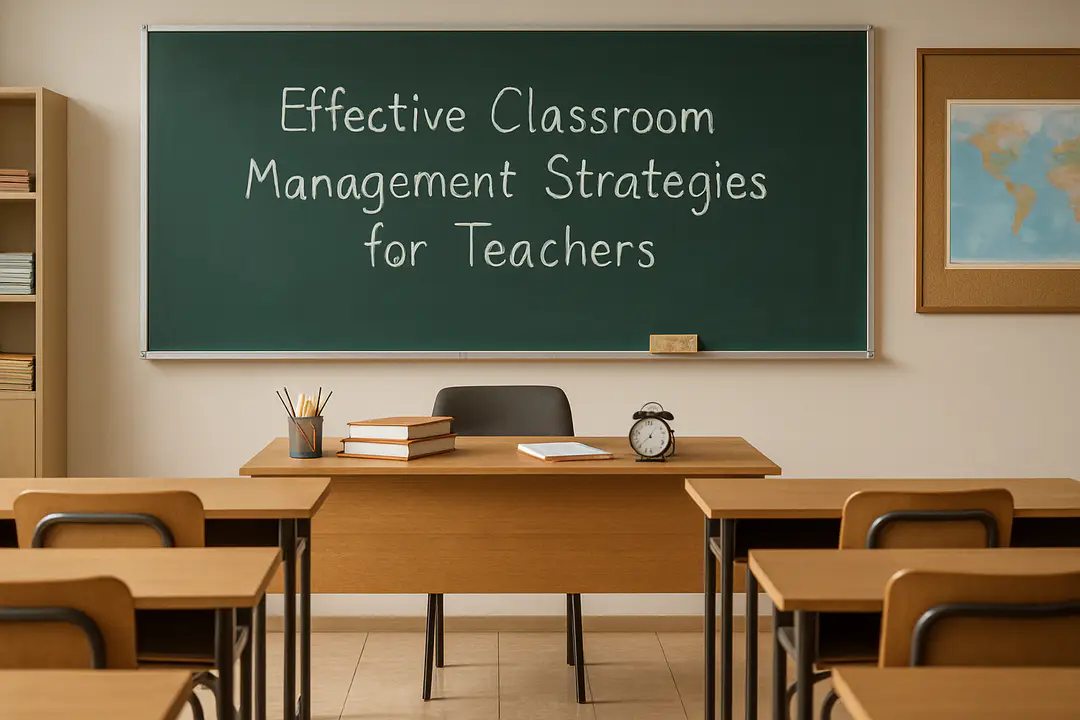
Effective Classroom Management Strategies for Teachers
Managing a classroom well makes every day smoother for teachers and students alike. Yet many overlook the power of consistent routines in shaping behavior. Could a simple shift in how we start and end lessons be the missing key to a calm learning space?
By focusing on small, predictable routines, you can guide students into clear patterns. These routines help avoid surprises, reduce off-task moments, and free up time for real teaching. Embracing this overlooked aspect empowers you to make decisions that keep the room focused and your lesson on track.
Setting Clear Expectations
Clear expectations lay the groundwork for every lesson. Start by listing three to five essential rules, like speaking respectfully or following directions promptly. Share these rules on the first day and invite students to provide examples of how to follow them. You might say, “Show respect by listening when others speak,” rather than a broad instruction. Posting these statements on the wall or handing out a printed copy keeps everyone on the same page. Research suggests that clear rules can cut down off-task behavior by up to 20 percent.
Consistency matters more than the number of rules. Keep your language simple—use terms students hear every day. For instance, replace “no shouting or raising your voice” with “use indoor voices.” When a student slips up, gently point back to the posted rule before applying a consequence. This ties the outcome to the rule, making discipline feel fair. Over time, routines will take shape and students will internalize the expectations.
Gather student input to boost ownership. You might ask, “What does respect look like here?” Then write their answers alongside your rules. This process helps learners feel heard and more committed. Regularly revisit the list during the term. A quick two-minute review at the start of a week can keep everyone aligned.
Reinforce positive choices with quick praise or a classroom point system. Celebrating success shows how following rules leads to rewards. It shifts focus from punishment to growth. When students see clear links between actions and outcomes, the entire class benefits.
Building Positive Relationships
Students learn best when they feel seen and respected. Take a few minutes each day to greet learners at the door by name. A simple “Good morning, Alex” can help students feel part of the class. Small actions like a quick check-in question—“What’s one thing you’re excited about today?”—build a friendly atmosphere. Research shows that positive student-teacher relationships boost engagement and reduce behavior issues.
Use brief one-on-one chats during independent work or class transitions. Ask about weekend plans, favorite books, or hobbies. Listen actively and follow up later. The goal is not to solve every issue but to show you care. Students who trust their teacher are more likely to participate and follow guidelines.
Get to know students’ interests and strengths. You could create a “student spotlight” board to feature weekly achievements. Whether it’s improved handwriting or mastering a math problem, public praise encourages effort. This also reminds peers that effort and good choices matter.
Pair learners for collaborative activities based on strengths and interests. Rotating partners prevents cliques and encourages new friendships. Collaboration helps students build social skills in a structured setting, reducing conflicts later on.
Finally, show empathy when problems arise. If a student is upset, take them aside with gentle words. Offering a tissue, asking “Are you okay?” or giving a minute of quiet time shows understanding. When students feel supported, misbehavior often drops. In time, a caring environment becomes the norm, making it clear that respect goes both ways.
Engaging Lesson Plans
Well-structured lessons keep students focused and reduce downtime that can lead to misbehavior. Begin each class with a quick hook—a question, short video, or real-life example. This hook signals that the lesson matters. Plan activities that balance listening, writing, and movement every ten to fifteen minutes. Mixing up formats helps reach different learning styles and keeps energy up.
Consider using a flipped classroom approach. In this model, students watch a short video at home and use class time for practice and discussion. If you’ve ever wondered how to free up time for deeper engagement, exploring a flipped classroom can be eye-opening. This method offers more chances for hands-on work and teacher support.
Here are five quick techniques to enrich your plans:
- Think-pair-share: pose a question, let students discuss in pairs, then share with the class.
- Jigsaw reading: each group reads a section of text then teaches peers.
- Interactive polls: use apps to gather live feedback on questions.
- Role play: have learners act out historical events or dialogues.
- Exit tickets: ask a quick question at the end to check understanding.
When you design lessons around active participation, students stay engaged. It reduces off-task chatter by keeping them occupied. Plus, you get real-time feedback on who needs more help. Over time, these engaging plans become your routine and build a lively, focused classroom.
Managing Transitions Smoothly
Transitions can be a high-risk moment for off-task behavior. Moving from one activity to another without clear signals often leads to noise and chaos. To avoid this, establish predictable routines for transitions. For example, when you say “Transition in three, two, one,” students know to stop and shift attention. Over time, they respond without you repeating the full sentence. Simple signals save time and prevent confusion.
Here are three steps to master transitions:
- Give a clear verbal cue: use a consistent phrase such as “Switch your materials.”
- Follow with a nonverbal signal: a hand raise, a bell, or lights off and on.
- Wait and count: pause until all students are quiet and seated before you continue.
Keep transition tasks brief and related to learning. If you need students to move to groups, give them a purpose: “Find your math partners and open the book to page 45.” This keeps them focused and achieves two goals at once. Practice the routine on slow days to build muscle memory. When transitions run smoothly, you reclaim precious minutes and maintain momentum throughout the lesson.
Using Technology Wisely
Technology can enhance classroom management when used right. Choose tools that simplify tasks, track behavior, or support collaboration. But too many apps confuse students and staff. Focus on a few reliable platforms and teach clear rules for each tool.
Here is a quick comparison of three popular management apps:
| App | Key Feature | Best For |
|---|---|---|
| ClassDojo | Behavior tracking | Elementary grades |
| Remind | Parent communication | All levels |
| Google Classroom | Assignment management | Flexible subjects |
Teach students how to use each platform and set expectations for online conduct. For example, explain how to submit work on Google Classroom and how promptly you will reply. Establish times when you check messages and when students should focus offline.
Consider integrating simple ed tech tools only if they align with your goals. For guidance on selecting and using digital resources effectively, explore recommended ed tech tools. When technology serves clear classroom purposes, it boosts engagement and streamlines routine tasks without adding chaos.
Data shows that classrooms using just one or two apps well see fewer tech issues and better student focus. Keep a monitor on screen time and only allow apps that add value. If something disrupts lessons, reassess its use. Successful tech use is about balance, not about having every new tool. Stick to a few clear platforms and you build reliable routines that support learning and order.
Addressing Misbehavior Quickly
Even with solid routines, misbehavior will occur. The key is to address issues immediately and consistently. When a student breaks a rule, offer a calm, private reminder. Point to the rule and say, “Remember our expectation?” Then give the chance to correct the action. This quick response shows you notice, but it avoids public shaming.
If behavior continues, follow the steps laid out in your class plan. It could involve a short reflection sheet or a brief time out. Make sure each student knows the sequence of actions. When consequences are predictable and fair, students learn that choices have clear outcomes.
Keep records of repeat offenses. A simple log helps identify patterns over time. If a student struggles again and again, reach out to parents or guardians to form a plan. Early intervention often prevents more serious issues later. It also shows families that you work in partnership.
Balance consequences with chances for repair. For example, after a cool-down, let a student help tidy the room or lead a task. This fosters accountability and a sense of community. Repair activities teach responsibility in a positive way, rather than just punishment.
Finally, reflect on what triggers misbehavior. Could a lesson be too hard or too easy? Are transitions abrupt? Adjust your approach based on these insights. When you respond quickly and thoughtfully, students understand that respect and order matter, and the class environment stays strong.
Effective classroom management is not a one-time fix but a journey of clear expectations, positive relationships, and smooth routines. By setting simple rules, building trust with students, and planning engaging lessons, you lay a stable foundation. Adding predictable transitions and choosing the right technology tools enhances focus and saves valuable time. When misbehavior arises, quick and fair responses keep the class on track and show students that respect matters.
Teaching with strong management practices leads to a calm and productive environment where students feel safe to learn and grow. Small changes—like a consistent signal for transitions or a quick one-on-one chat—can make a big difference. As you refine these strategies, observe what works best for your group and remain flexible. Your efforts will pay off in deeper engagement, fewer disruptions, and a more positive day-to-day experience. Start applying these steps today to see a lasting, positive shift in your classroom.