Creative Classroom Decoration Ideas to Inspire Learning
Decorating a classroom goes beyond hanging posters and arranging desks. It sets the mood, sparks curiosity, and helps students feel connected. Yet one detail often slips under the radar: lighting and ambience. How can strategic lighting transform how students engage and learn?
By exploring techniques that combine fixtures, natural light, and color temperature, teachers can craft a space that feels welcoming and focused. Understanding this element will help you make smarter choices, avoid glare issues, and boost student attention across activities.
Color and Theme
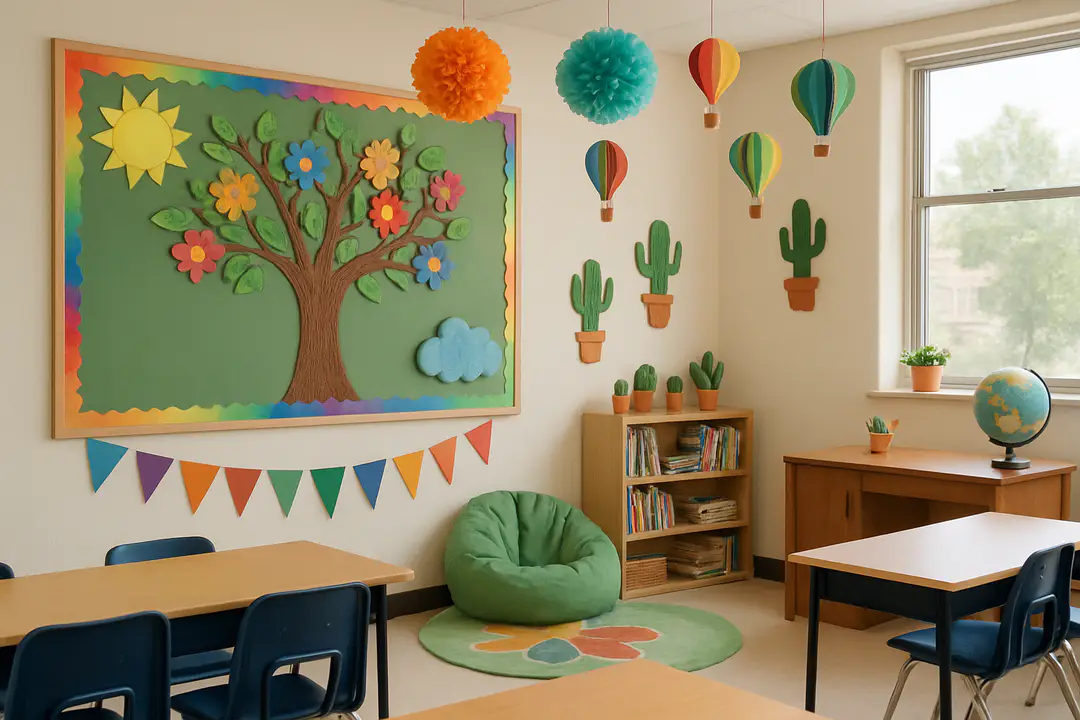
Choosing a color palette is your first step to a vibrant classroom. Soft blues and greens can calm high-energy days, while warm yellows encourage discussion. When you tie colors into a theme—like nature, outer space, or literature—you weave a story into the walls.
Start by gathering student input. A simple vote on favorite colors builds excitement and ownership. Then select paint accents or removable decals to keep things flexible for the next term.
Wall art and fabrics add depth. Consider thematic posters, paper lanterns, or banner lettering. Here are five popular combinations:
- Forest greens with wood accents and leaf decals
- Pastel rainbow backdrop with cloud-shaped shelves
- Ocean blues paired with fish cutouts and nets
- Space black and silver with star string lights
- Book-themed burlywood with open-book displays
Tying color to theme makes every corner feel intentional. Over time, you can swap decals or banners to keep the look fresh without repainting.
Bulletin Boards
Bulletin boards serve as a dynamic canvas for lessons and announcements. Instead of pinning every flyer, designate one board for student work and another for class information. That split keeps messages clear and helps students know where to look.
Apply fabric as a background—felt or burlap adds texture. Frame the edges with ribbon or paper trim to create a neat border. Then use color-coordinated pushpins or clips to attach items.
Seasonal updates keep boards engaging. In fall, add leaf cutouts and harvest facts. In winter, swap for snowflakes and book recommendations. Rotate displays every month to spotlight different subjects: math challenges, science questions, art pieces, and writing samples.
For quick changes, use clipboard hangers. Clamp a sheet of student art, poster, or key vocabulary list and unclip when it’s time to update. Clear pockets let you slide in worksheets or student reflections without fuss.
Well-organized bulletin boards guide attention, showcase progress, and simplify your prep. When students know exactly where to find tomorrow’s homework or class rules, routines run smoother.
Interactive Corners
Designate a small corner for hands-on learning. Whether it’s a cozy reading nook or a makerspace station, clustering related tools makes exploration easy. Soft floor cushions, low bookshelves, and labeled bins create a self-contained zone.
A tech station with tablets or laptops can support multimedia projects. Integrate blended learning tools, interactive apps, or digital storytelling software. Keep chargers hidden in cable organizers to avoid tangled cords.
For a science corner, add magnifying glasses, specimen jars, and a small terrarium. Label items with fun facts or questions to prompt inquiry. Rotate materials monthly: maps one month, art supplies the next, puzzles after that. This variety keeps students curious.
Include simple instructions on a nearby chart. A “Try This” card might read: “Observe a leaf under the magnifier. Sketch what you see.” Such prompts guide exploration without needing adult intervention every minute.
Interactive corners promote independence and creativity. By grouping tools and instructions, you free yourself to support small groups, while students learn at their own pace.
Student Displays
Highlighting student work builds confidence and sets a standard for effort. Create rotating galleries on a dedicated wall or shelf. Changing displays regularly means everyone gets a moment in the spotlight.
Follow these steps to set up a gallery area:
- Choose a visible spot near the entry or reading corner.
- Install a wire and clip system or a series of picture ledges.
- Assign a rotation schedule—weekly, biweekly, or monthly.
- Invite students to submit pieces and vote on featured work.
- Celebrate openings with a quick gallery walk and feedback session.
You can tie displays into specific lessons too. When exploring narratives, exhibit short stories and character sketches. During a math unit, post creative problem-solving boards. For science, mount diagrams or experiment photos.
Combining this with a flipped classroom model can deepen engagement. Students prepare questions at home, then showcase their answers in class, promoting ownership of learning.
Lighting and Ambience
Natural light boosts mood and alertness. Position desks and reading nooks near windows whenever possible. Use sheer curtains to diffuse harsh glare while maintaining brightness.
For artificial lighting, layer overhead fixtures with task lamps or string lights. Add dimmable desk lamps at workstations so students can adjust brightness for reading or crafting.
Invest in smart lighting systems or simple plug-in dimmers. Warm white bulbs (around 2700K) create a cozy feel, while cooler white (3500K–4000K) can sharpen focus during tests or lectures.
Accent lighting—like LED strips under shelves—draws attention to displays or resource corners. Battery-powered puck lights work great inside cabinets or near bulletin boards.
Keep emergency lighting simple. A small nightlight or recessed fixture ensures a safe exit path. Planning layer by layer—natural, general, task, and accent—lets you fine-tune the atmosphere for each activity.
Storage Solutions
Clutter distracts both teachers and students. Smart storage keeps supplies accessible while preserving a tidy look. Combine open and hidden options for the best of both worlds.
Use clear bins with labels so students can find colored pencils, scissors, or glue at a glance. Stackable boxes save floor space and can be placed on shelves or under tables.
Consider these five storage ideas:
- Rolling carts with removable trays for art or science materials
- Magazine holders for grammar flashcards and worksheets
- Hanging shoe organizers on doors to hold small manipulatives
- Counters with pull-out baskets for library books or journals
- Lockable cabinets for sharp tools or sensitive tech gear
Label everything clearly. Picture labels help younger students sort independently. Color-code bins by subject: red for math, green for science, blue for language arts.
Regularly audit supplies. Donate extras or broken items to avoid overstuffed bins. A simple monthly check helps keep storage systems efficient.
Conclusion
Transforming a classroom through thoughtful decoration builds an environment where students thrive. By choosing cohesive colors, organizing interactive zones, and fine-tuning lighting, you create a space that supports both energy and calm. Bulletin boards and student galleries showcase progress and celebrate effort, while smart storage solutions keep clutter at bay.
Each design choice reflects the unique personality of your class. Involving students in decisions—from color schemes to display rotations—fosters ownership and pride. As you experiment with themes, textures, and lighting layers, pay attention to what resonates most. The right mix can spark creativity, improve focus, and strengthen the bonds within your learning community.
Ready to refresh your classroom? Start small—perhaps adding a new accent light or updating a bulletin board—then watch how these changes can energize daily routines. With a clear plan and student input, your classroom can become a dynamic, welcoming hub that inspires everyone who steps inside.